
Osaka & Kyoto in 5 Days: A Complete Itinerary
Osaka's neon and street food, Kyoto's temples and old streets, the castle and the markets, and an easy day trip or two — a complete five-day Kansai itinerary with real stops, Maps links, where to stay and what to budget.
Osaka and Kyoto sit half an hour apart, which is why they're best done as one trip rather than two: Osaka brings the food, the nightlife and the easy, friendly energy; Kyoto brings the temples, the gardens and the old streets. Five days lets you give each city the time it deserves and still fit a day trip without rushing.
This five-day plan bases you within easy reach of both, groups each day by area so you travel less, and times the busy temples and markets for when they're calmest. Pick up an IC card for the trains, and every stop links straight to Google Maps.
At a glance
Your day-by-day Osaka & Kyoto route
A 5-day Osaka & Kyoto route
Osaka's castle, markets and street food, then Kyoto's temple districts and old streets, with a day trip folded in — grouped by area so you spend your hours in places, not on trains.
Osaka, two Kyoto days, a Nara day trip (never on arrival or departure) and south Osaka last. No place or meal repeats.
Day 1Osaka — castle, Kuromon Market & Dotonbori
- Osaka CastleTicketsOsaka Castle
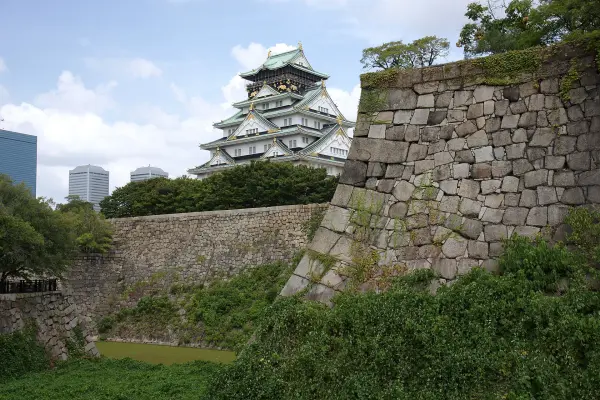
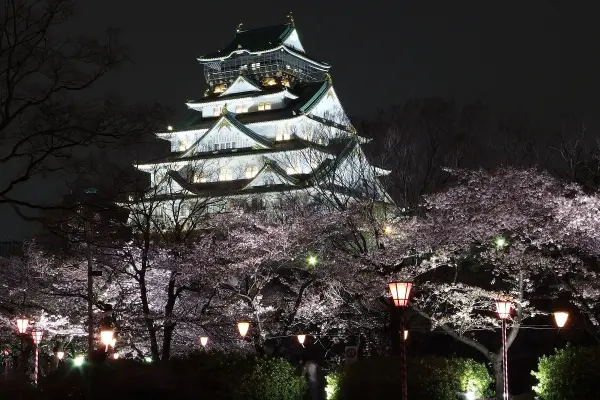
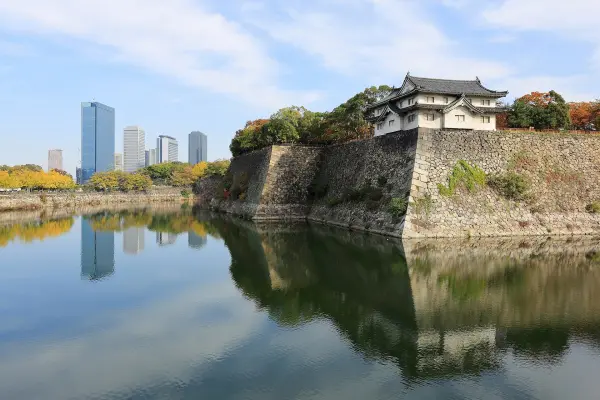 Photos: 663highland, CC BY 2.5; Mc681, CC BY-SA 4.0; Martin Falbisoner, CC BY-SA 4.0
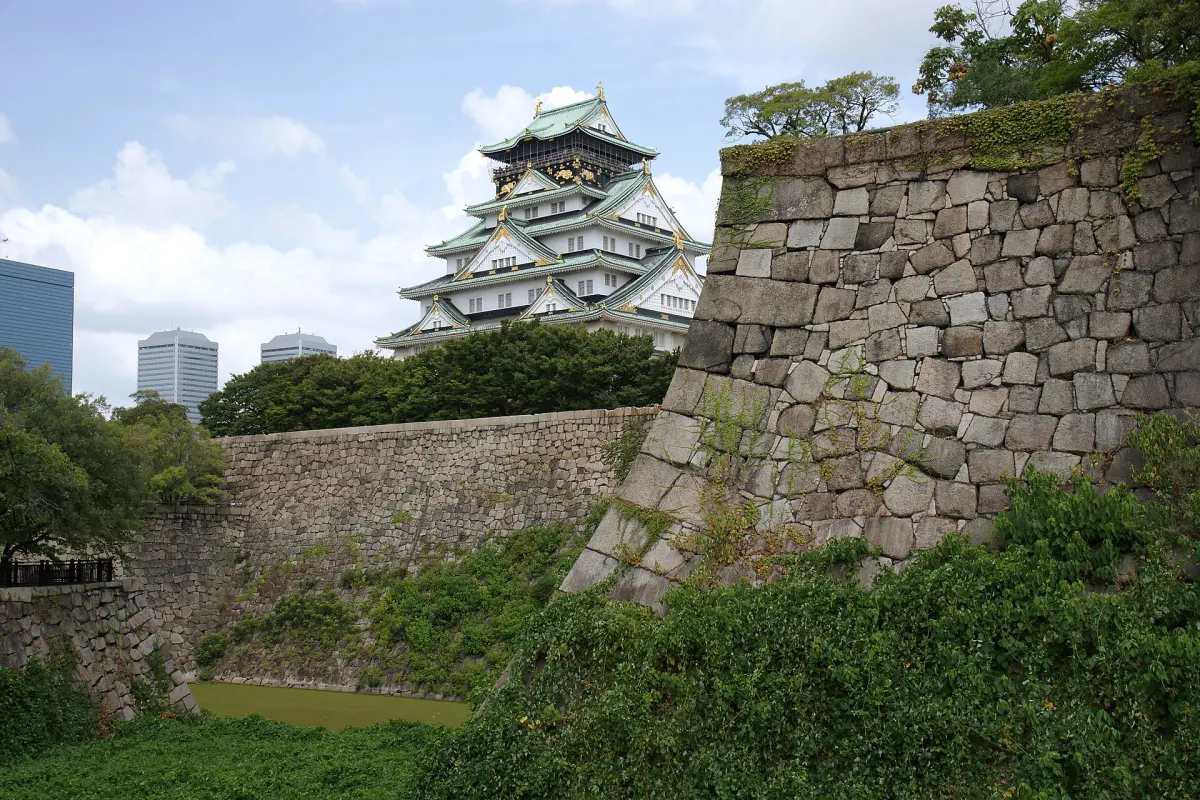
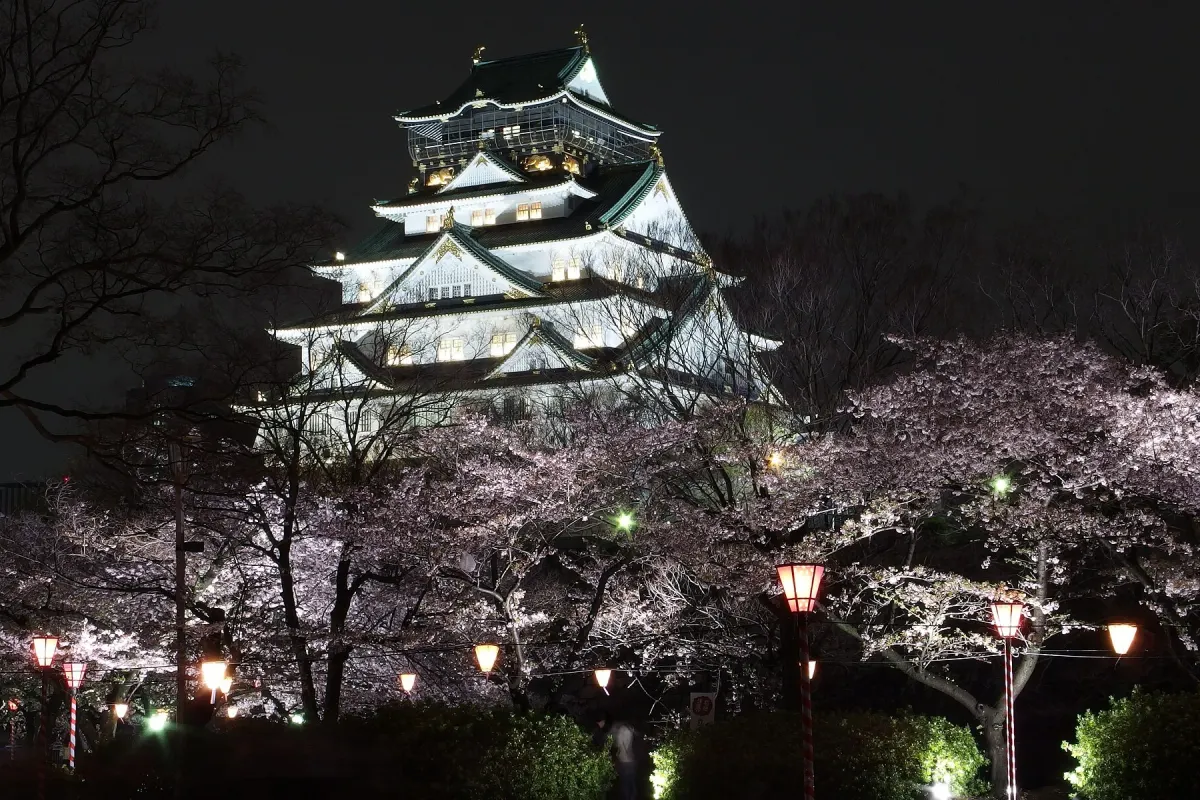
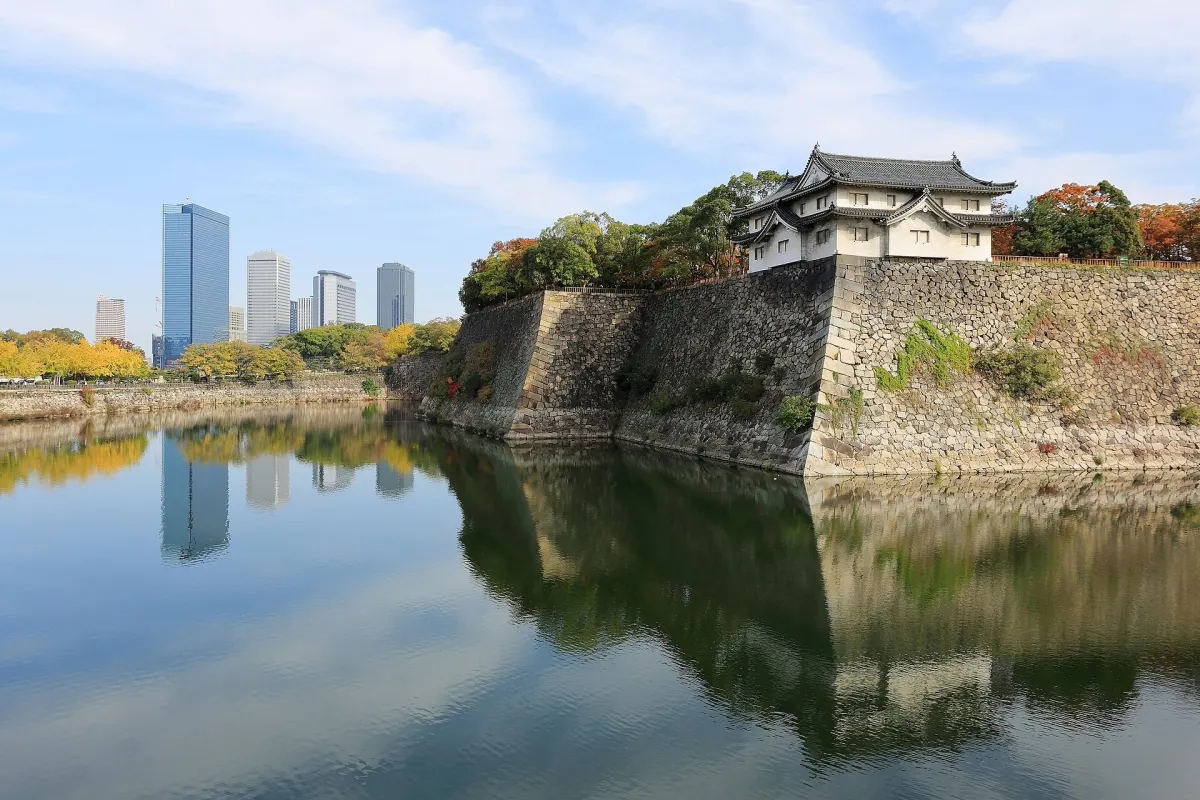
- Kuromon Market grazing: Kuromon SanpeiKuromon MarketAlso good: Kuromon Ichiba Fukahiro · Kuromon Market
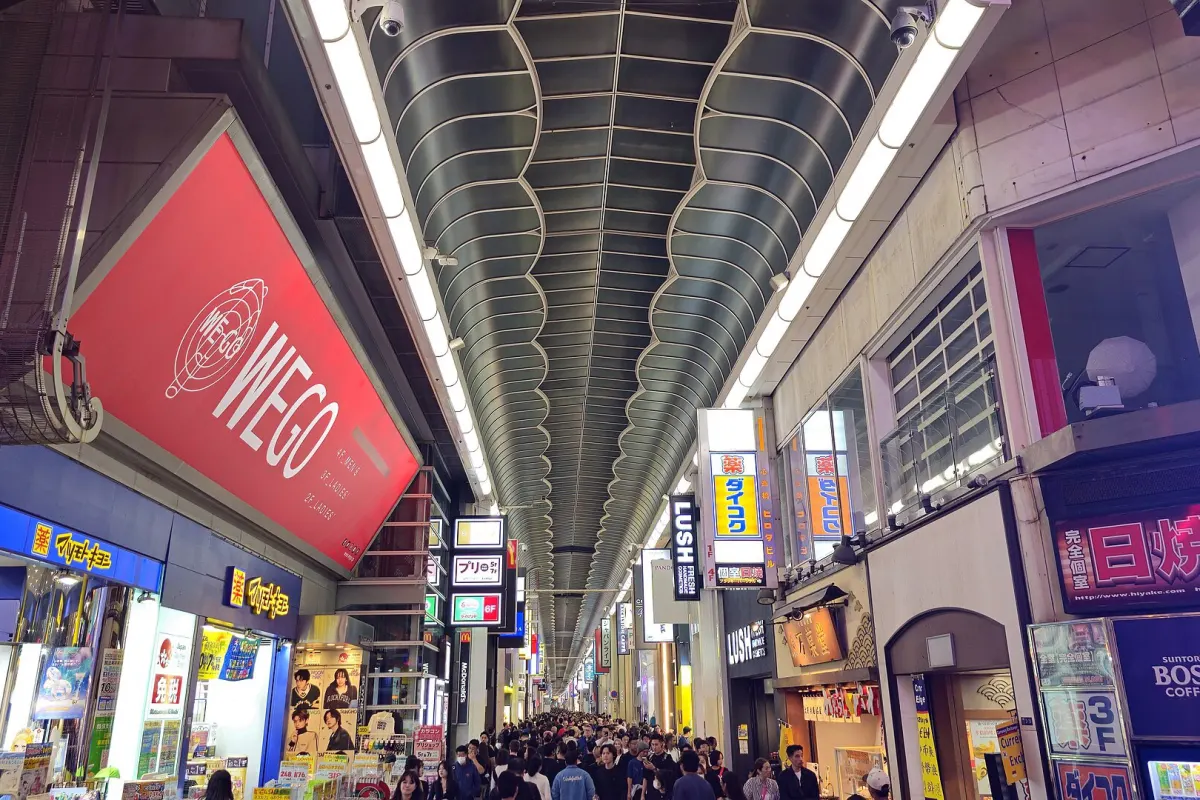
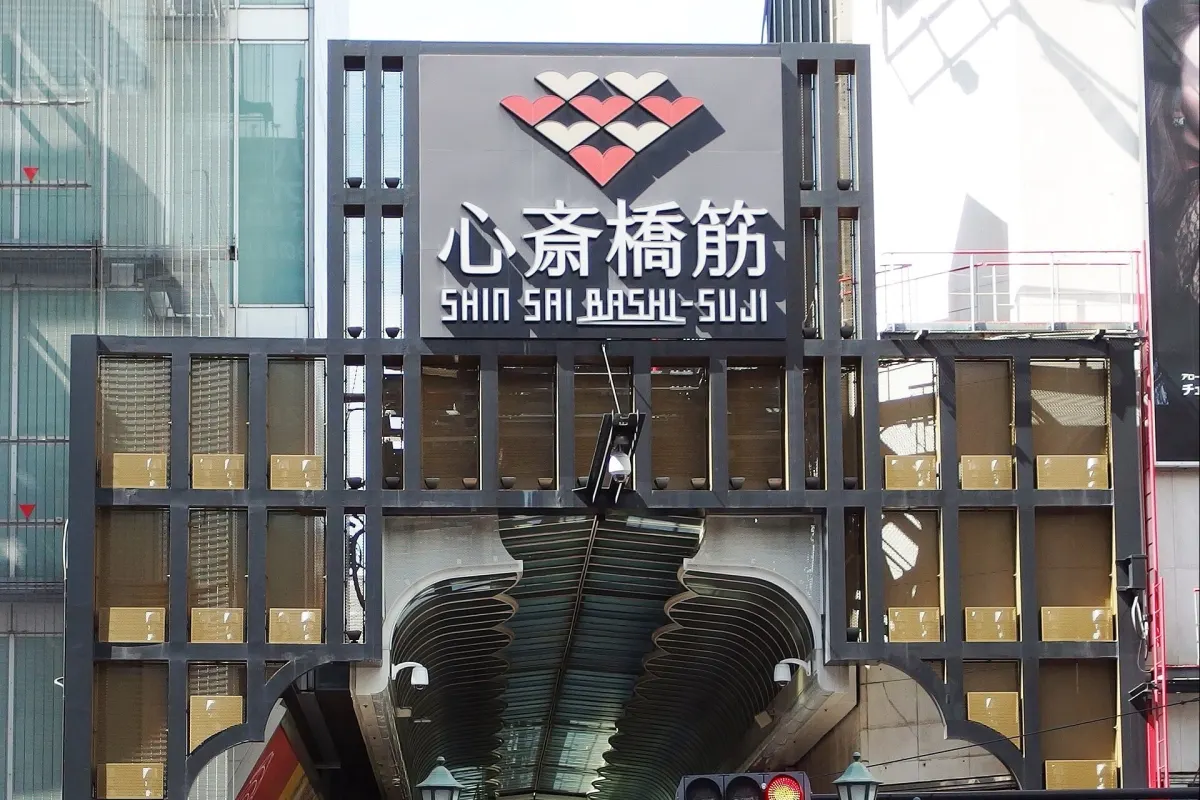
- Shinsaibashi & AmerikamuraNamba (Osaka)
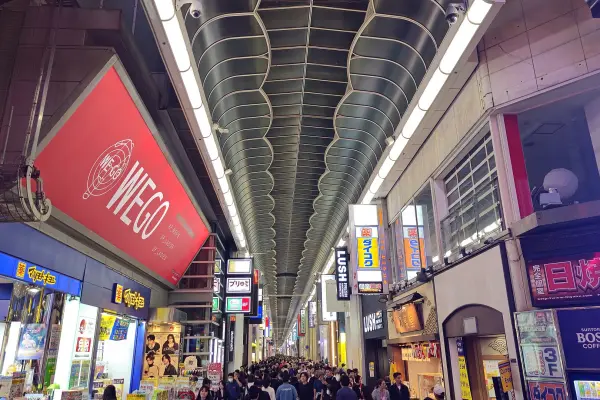
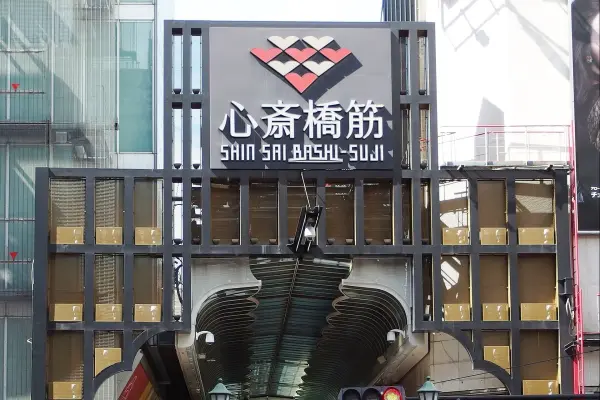 Photos: WPPilot, CC BY-SA 4.0; Mc681, CC BY-SA 4.0
- Dotonbori street food: Takoya Dotonbori Kukuru HontenDotonboriAlso good: Kinryu Ramen Dotonbori · Dotonbori
- DotonboriNamba (Osaka)
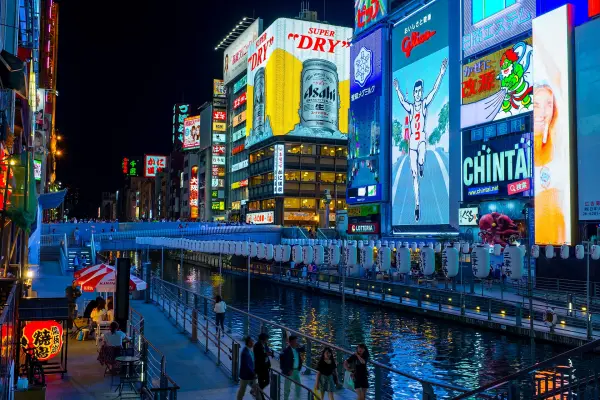
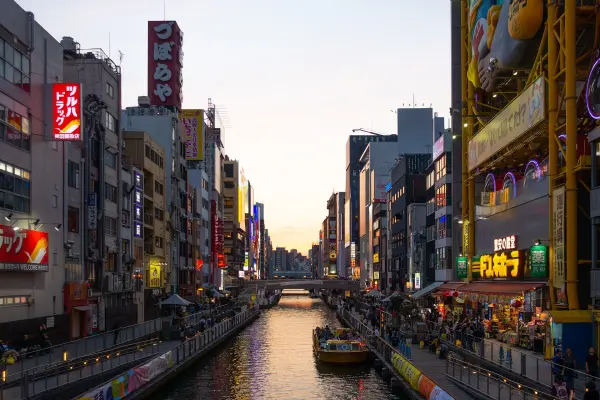
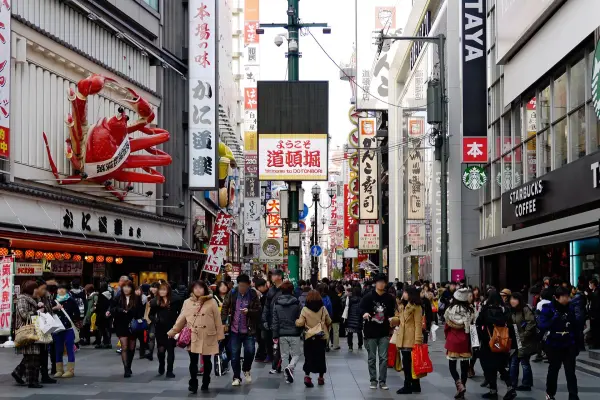 Photos: Kristoffer Trolle from Copenhagen, Denmark, CC BY 2.0; blieusong, CC BY-SA 2.0; Oilstreet, CC BY 2.5
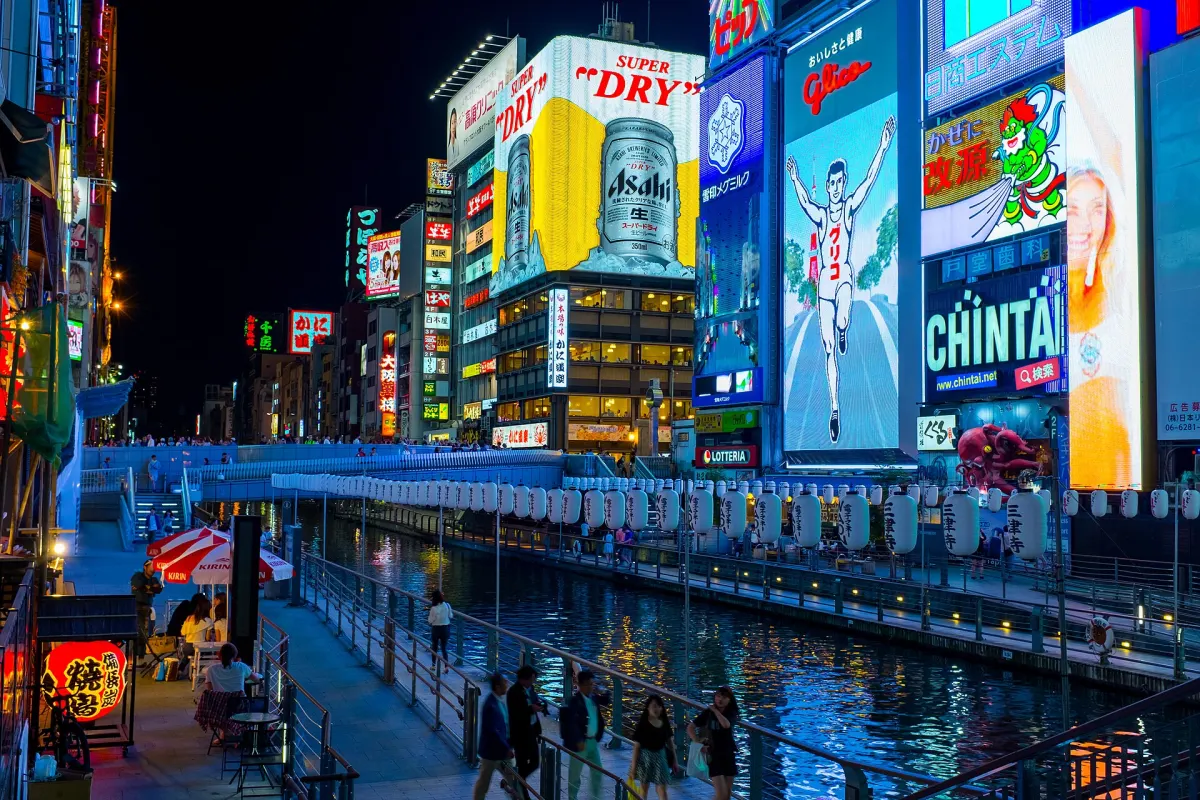
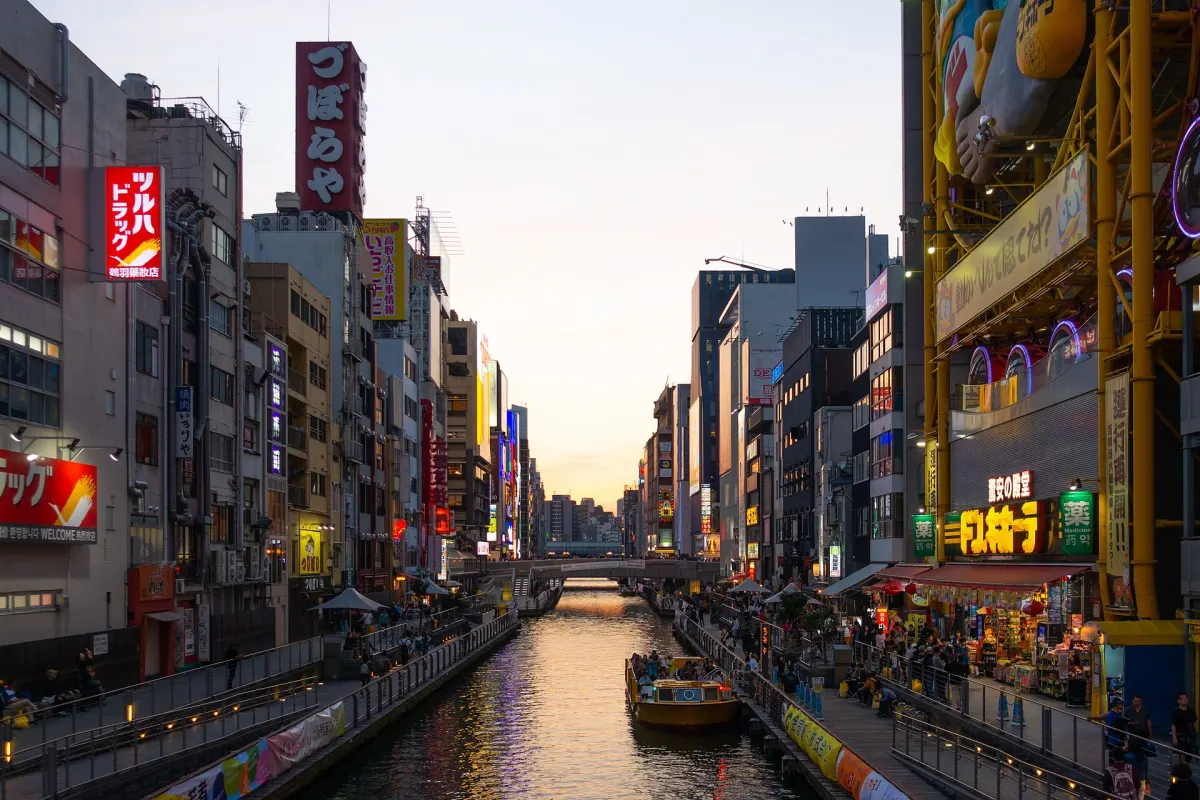
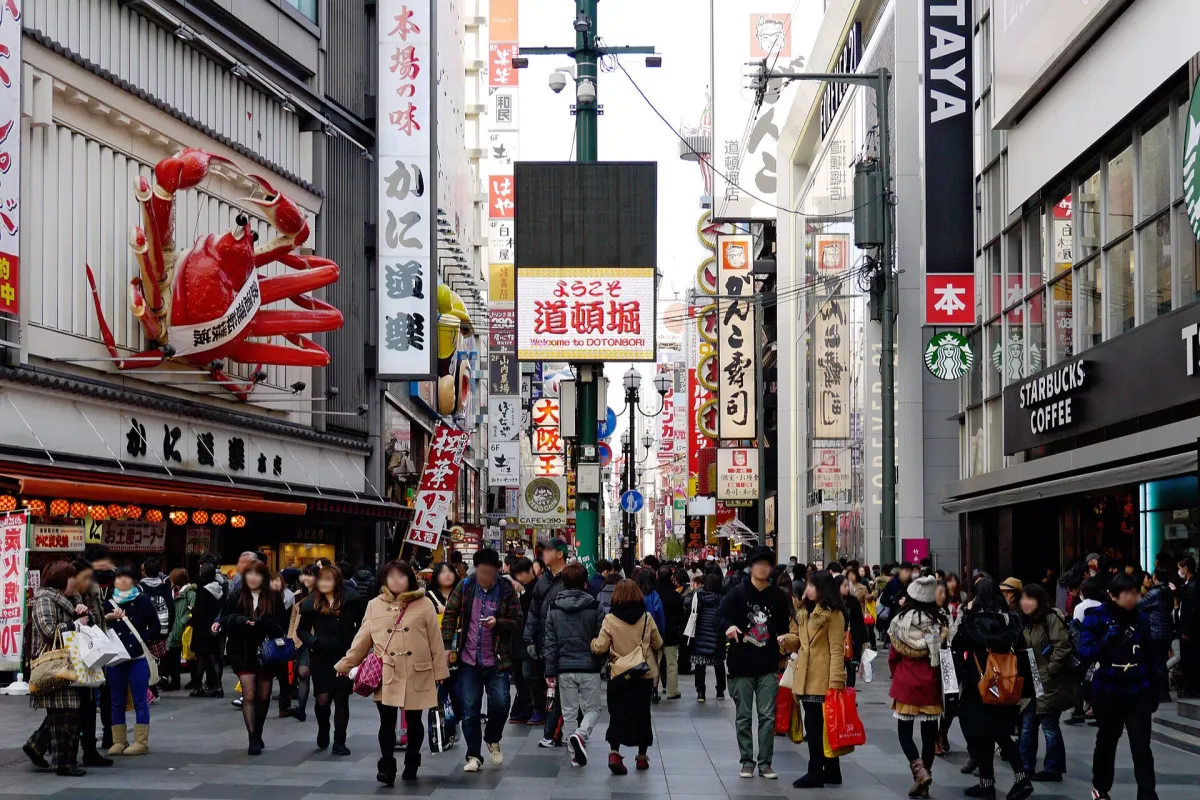
If it rains Kuromon Market, the Shinsaibashi arcade and the castle's Main Tower are all covered.
Add if you have time A Rikuro cheesecake or 551 Horai pork buns in Namba.
Day 2Kyoto east — Fushimi Inari, Sanjusangen-do & Kiyomizu-dera
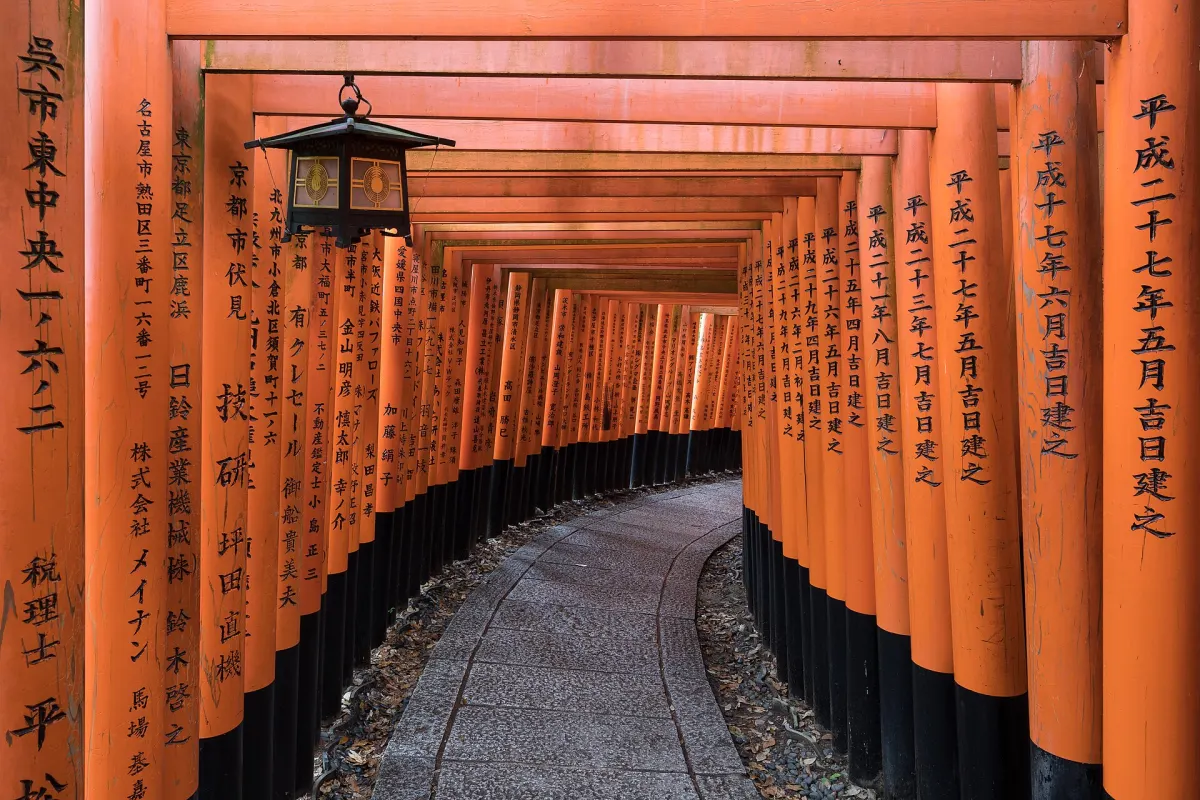
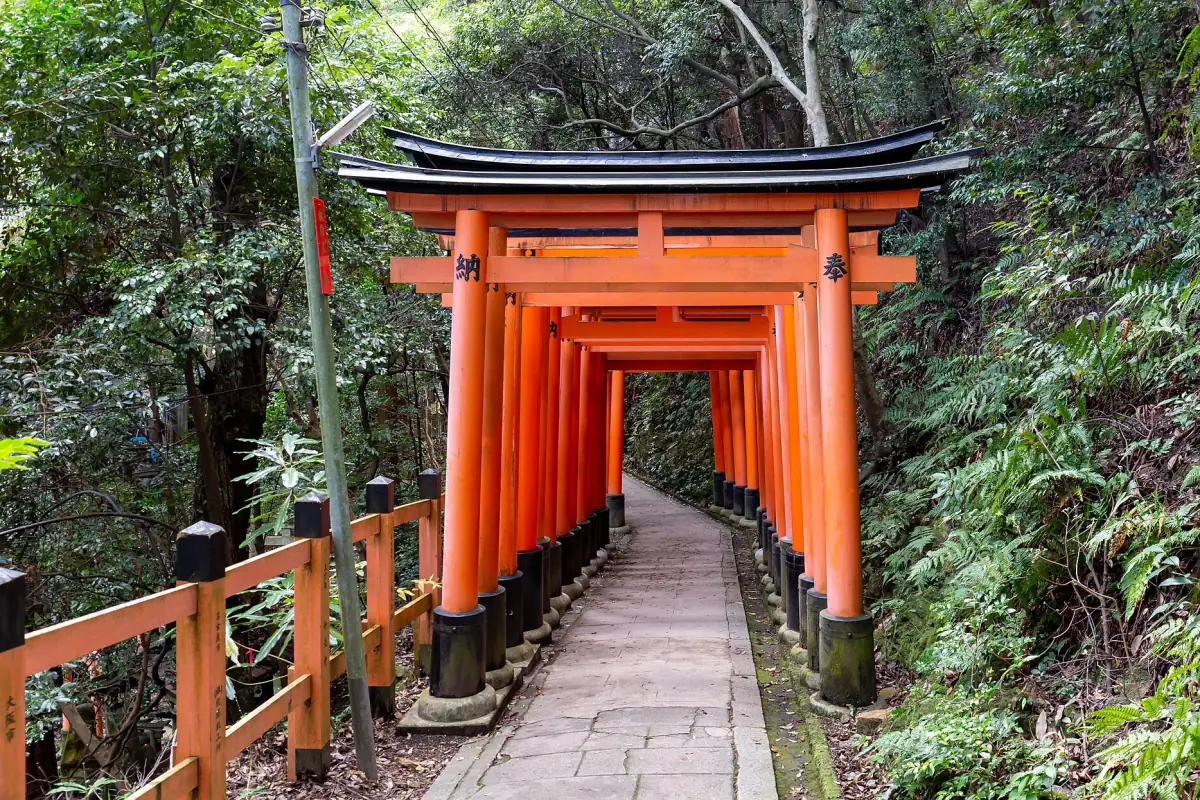
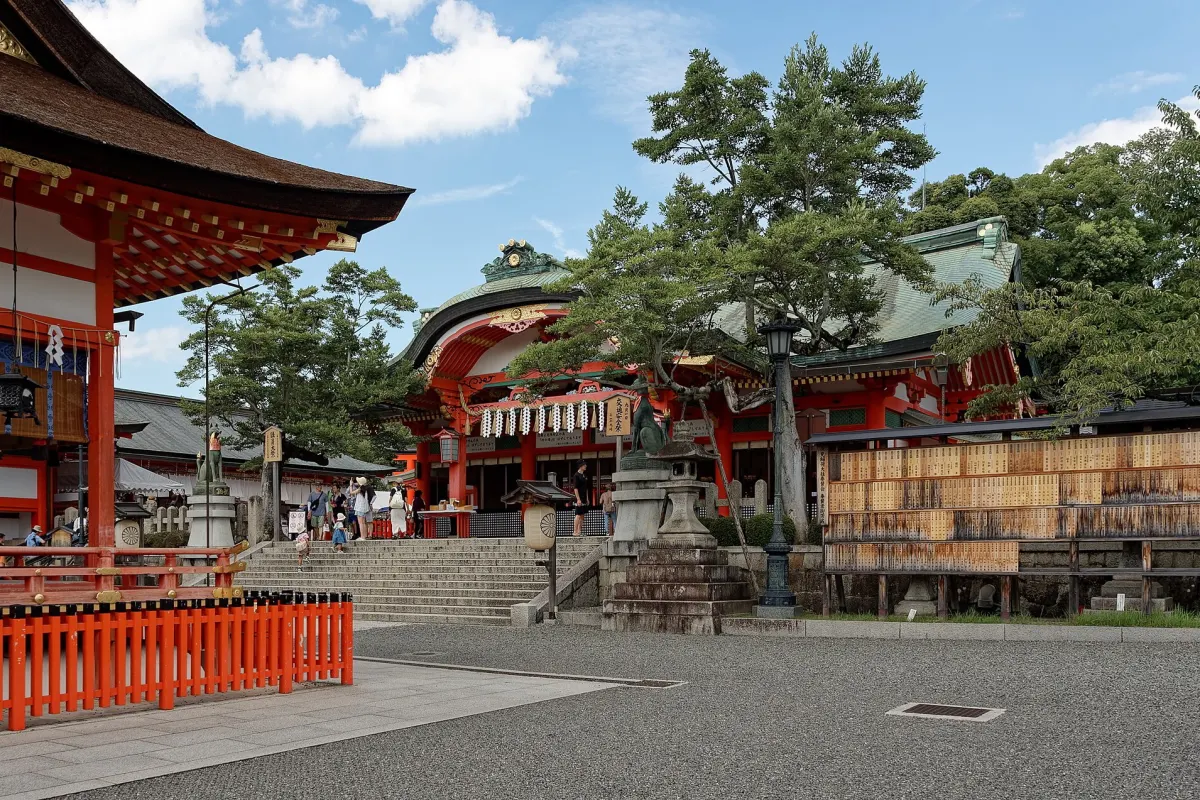
- Fushimi Inari TaishaKyoto
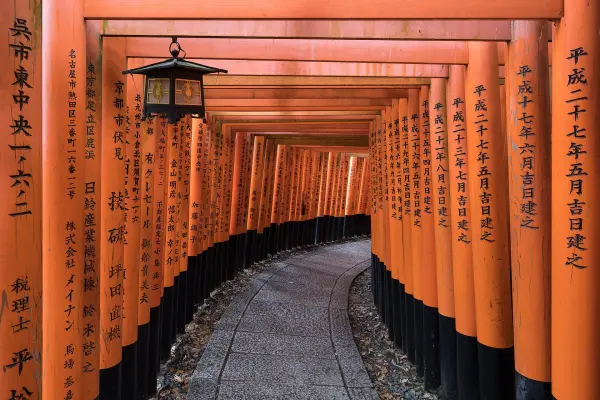
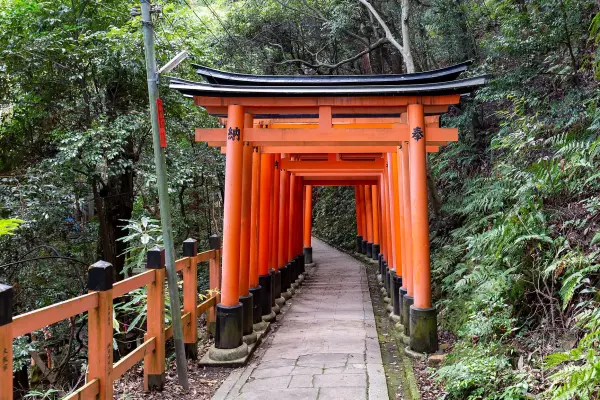
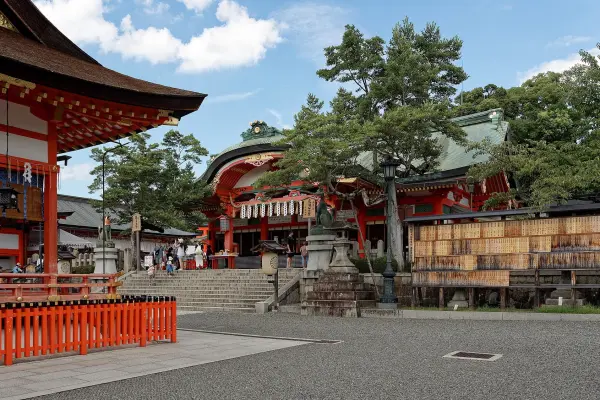 Photos: Basile Morin, CC BY-SA 4.0; Balon Greyjoy, CC0; Jakub Hałun, CC BY 4.0
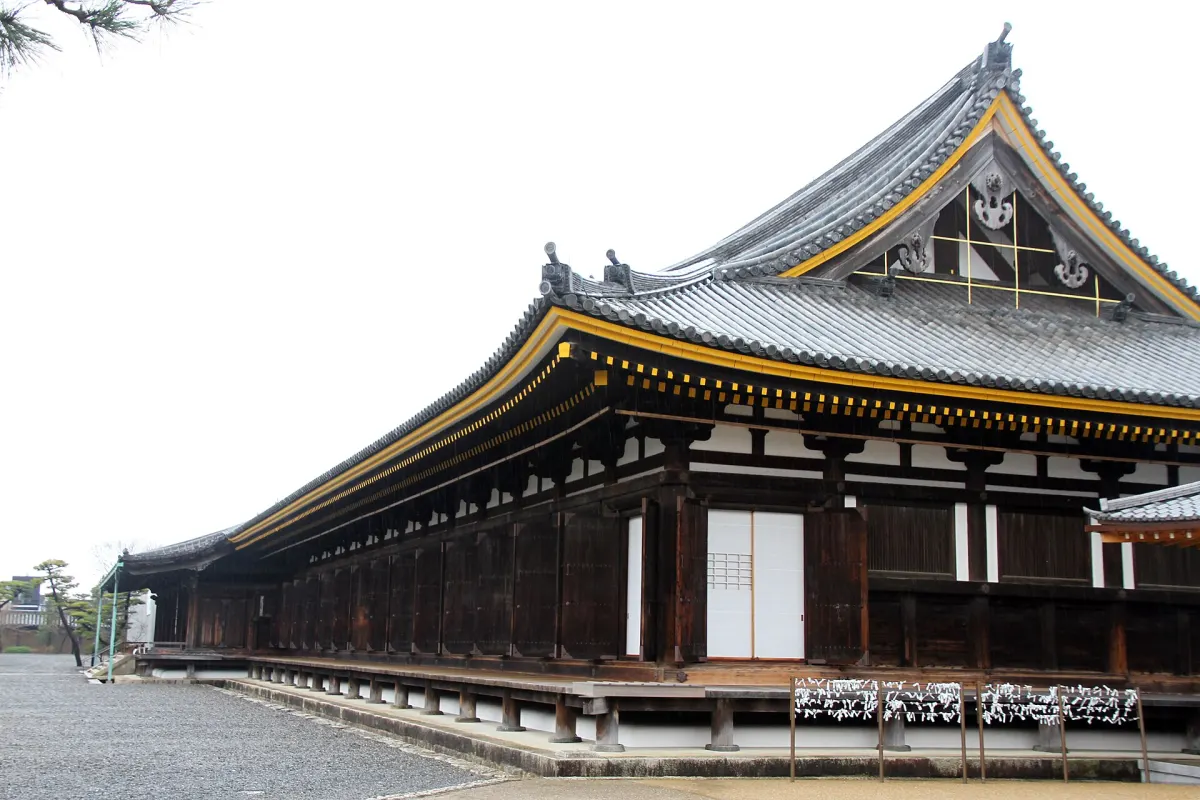
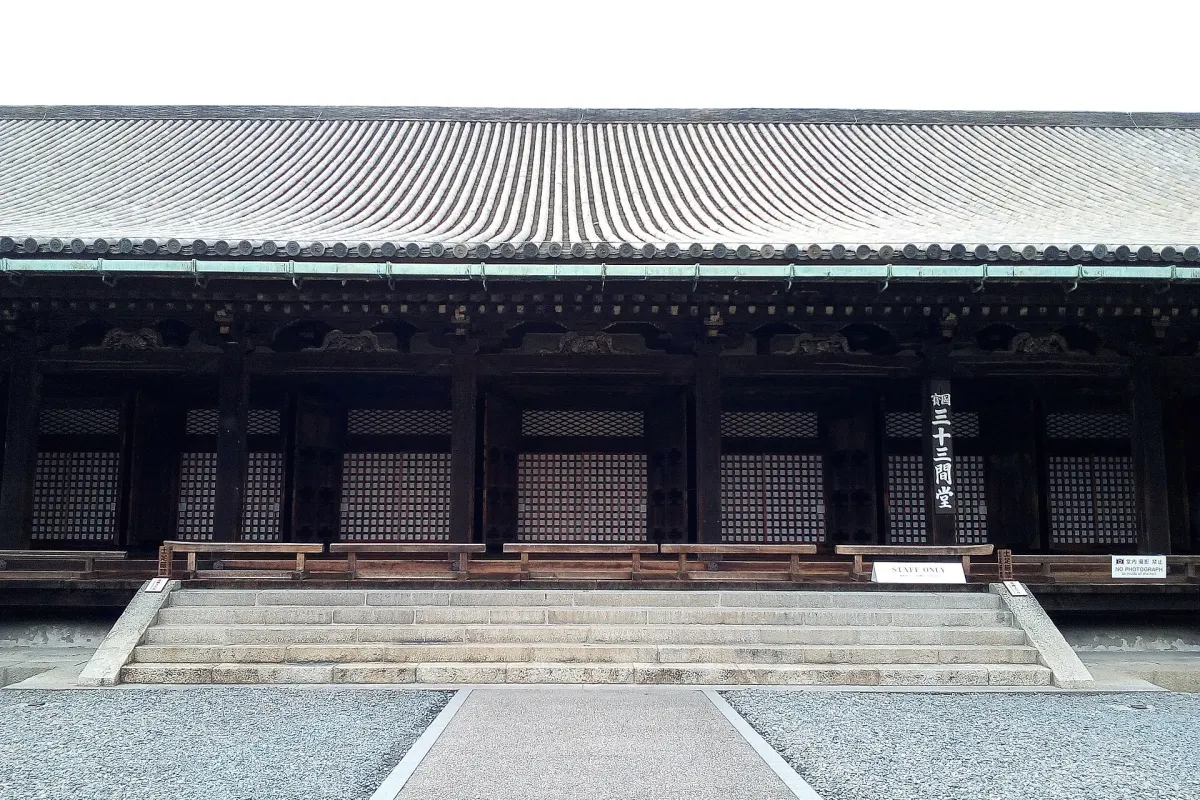
- Sanjusangen-doKyoto
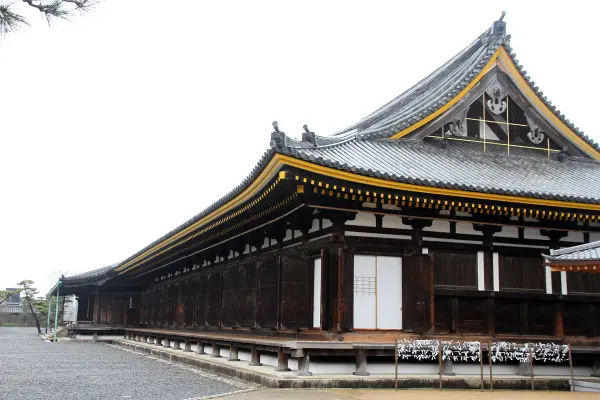
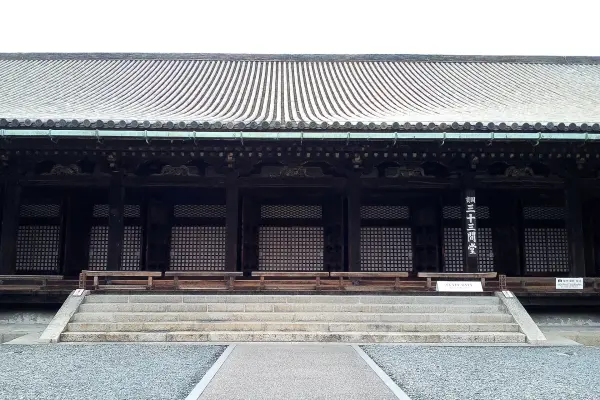
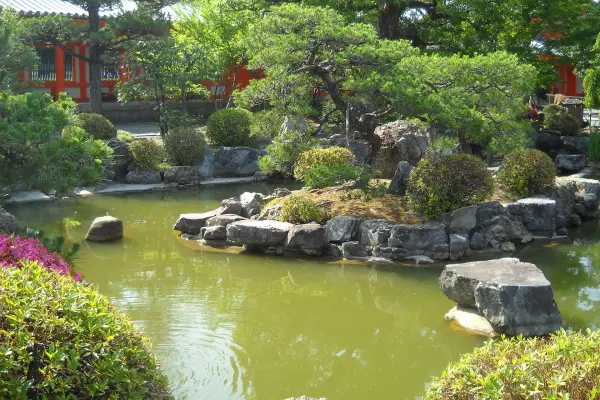 Photos: Hyppolyte de Saint-Rambert, CC BY-SA 4.0; MomoyamaResearch, CC BY-SA 4.0; Cun Cun, CC BY-SA 4.0
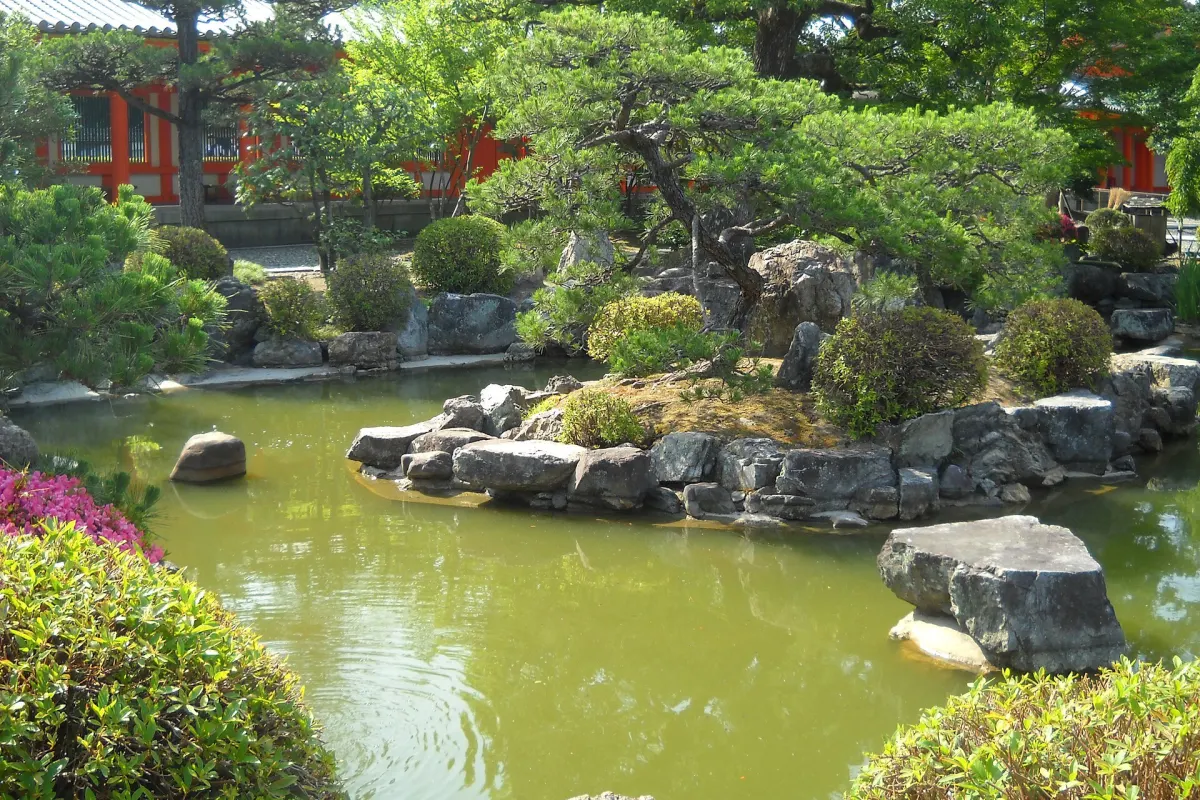
- Yudofu (Kyoto tofu cuisine): Okutan KiyomizuKiyomizuAlso good: Nanzenji Junsei · Nanzen-ji
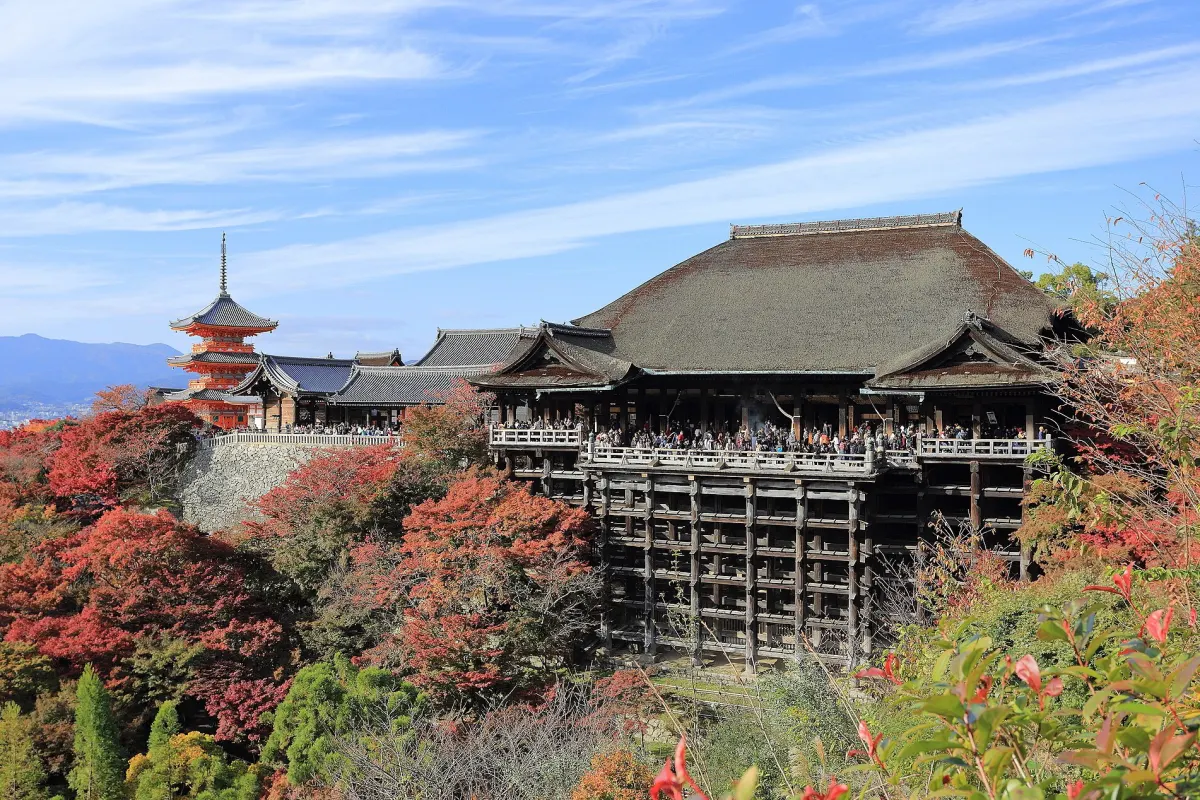
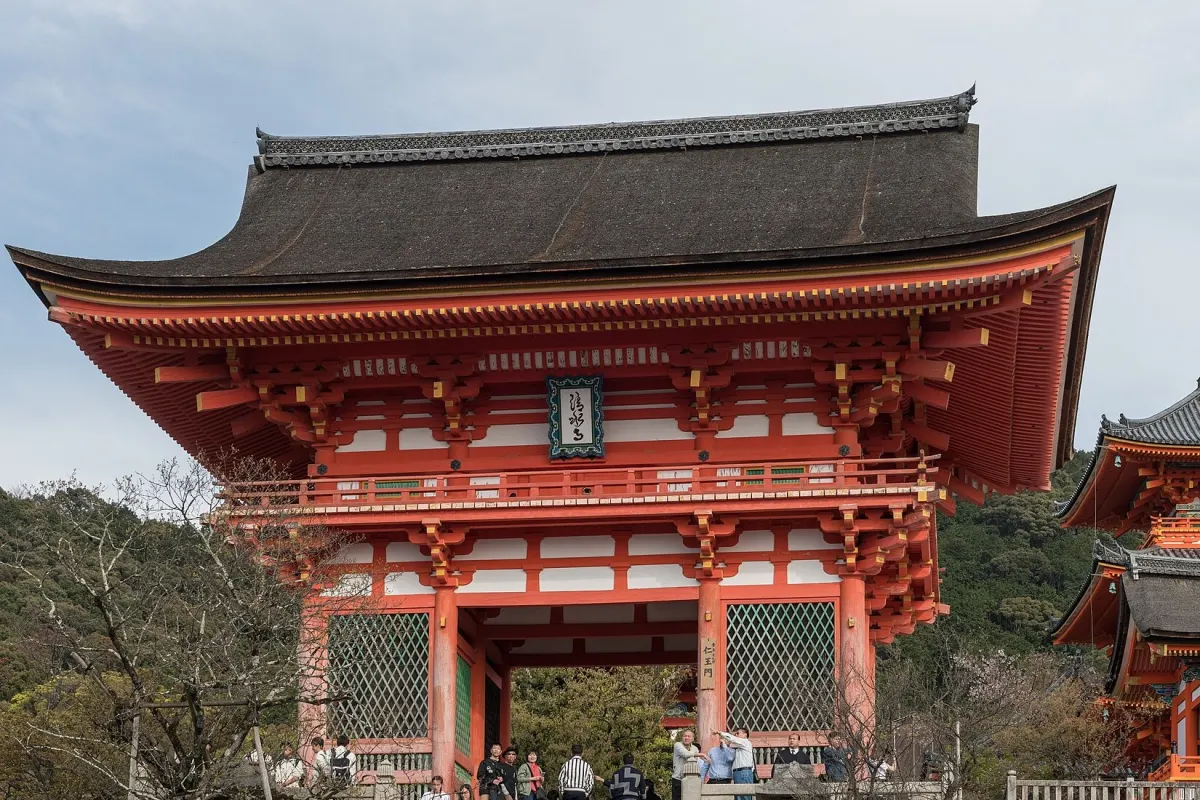
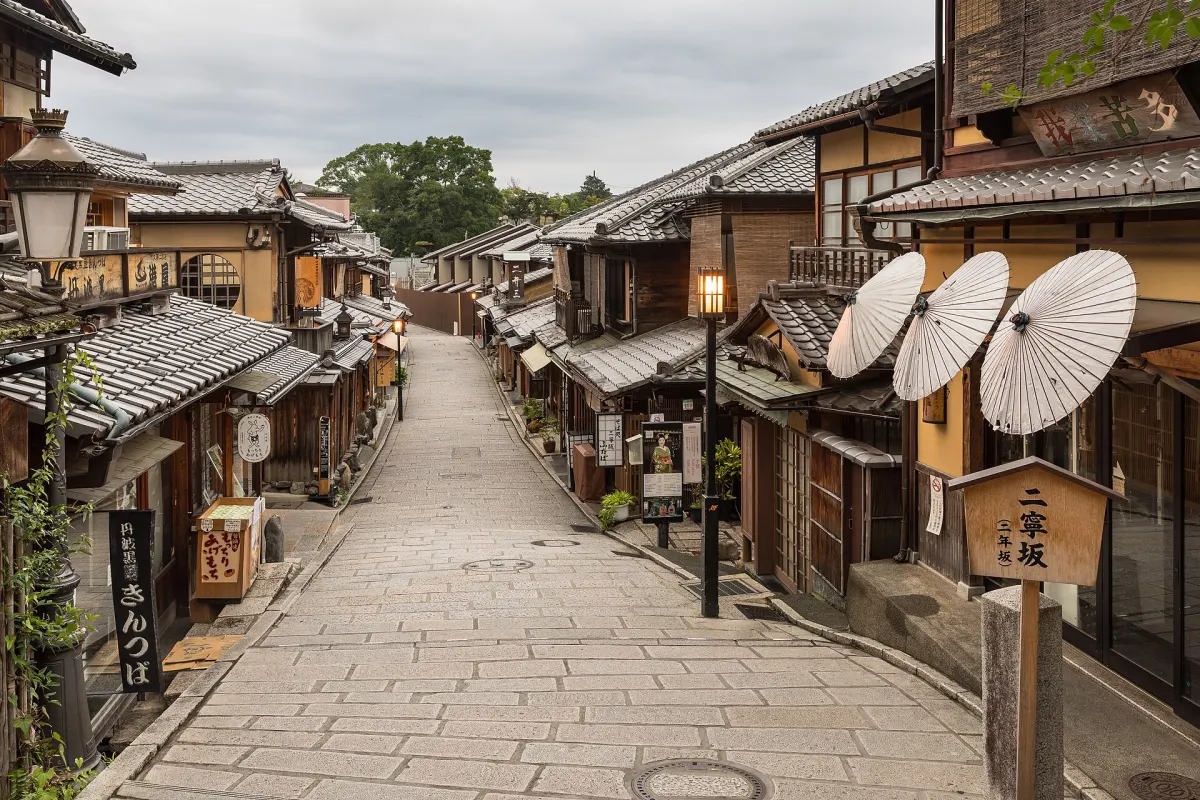
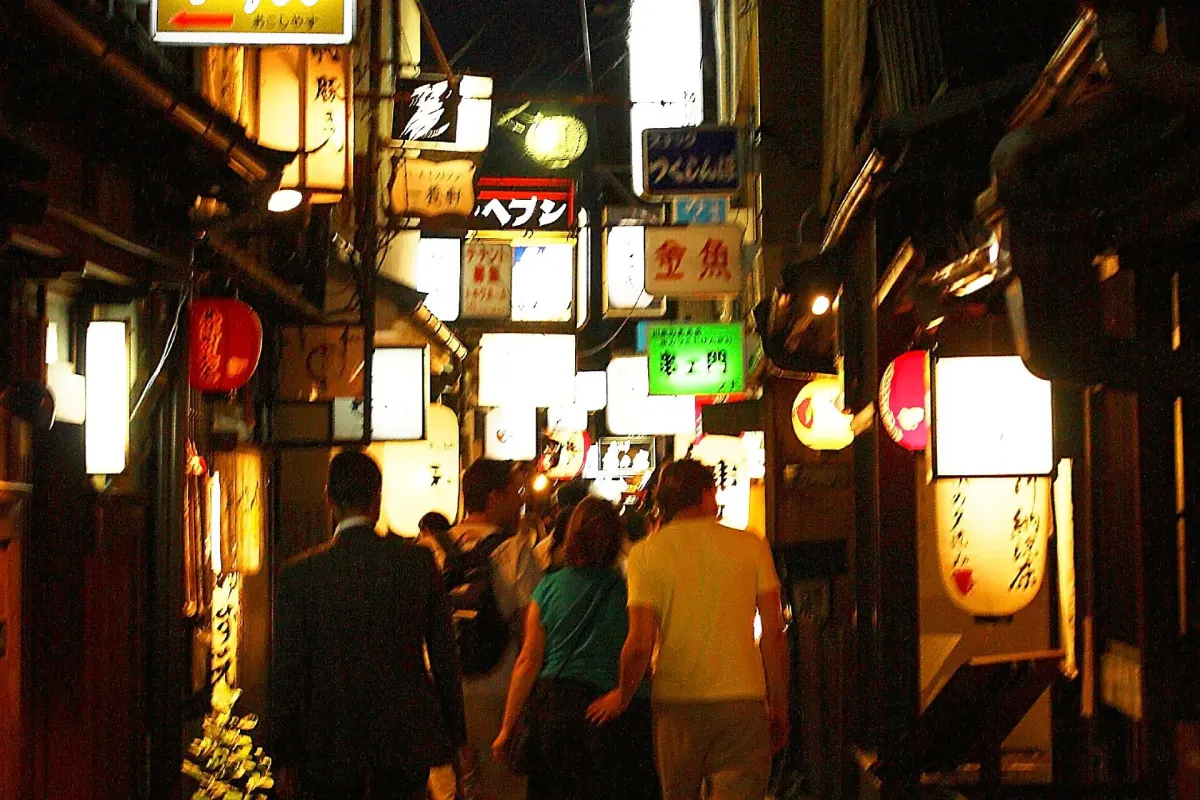
- Pontocho riverside dining: Pontocho RobinPontochoAlso good: Pontocho Kiraku · Pontocho
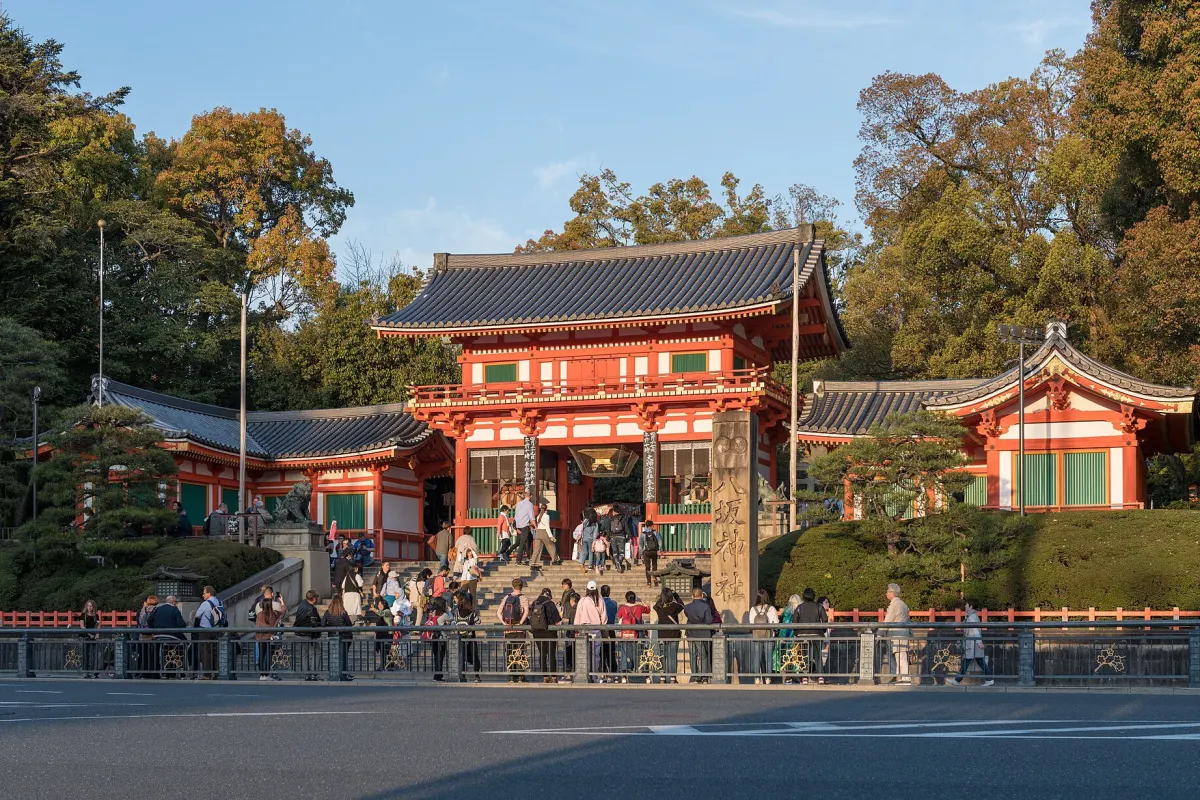
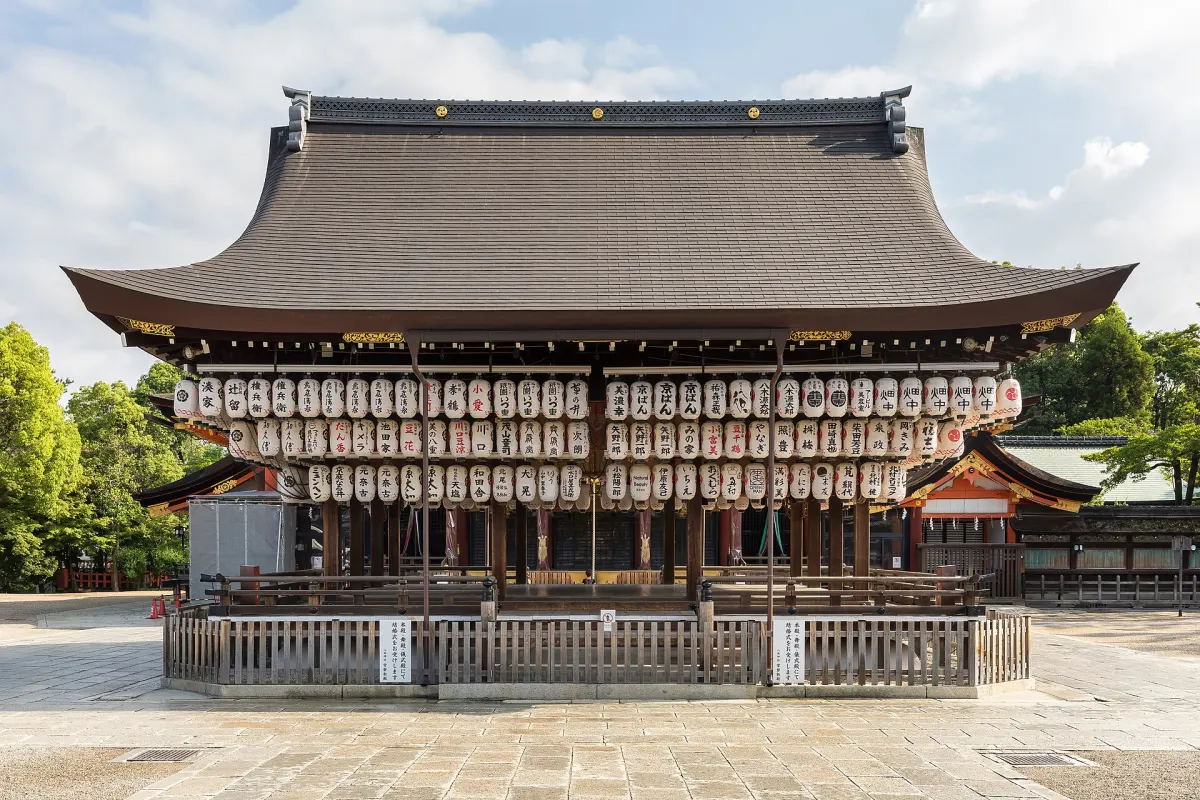
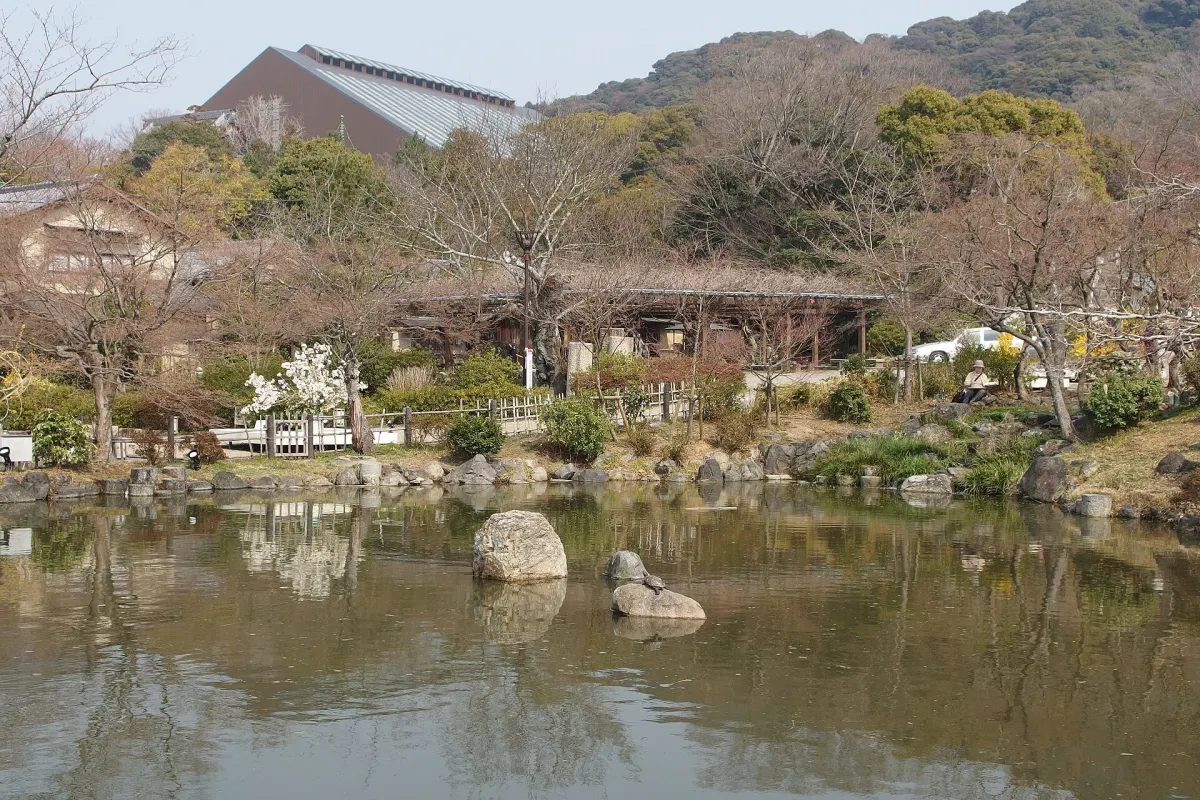
If it rains Sanjusangen-do's hall is indoors; keep the torii climb at Fushimi Inari short in heavy rain.
Add if you have time Saryo Tsujiri's matcha sweets in Gion after Yasaka Shrine.
Day 3Kyoto west — Arashiyama, Kinkaku-ji & Ryoan-ji
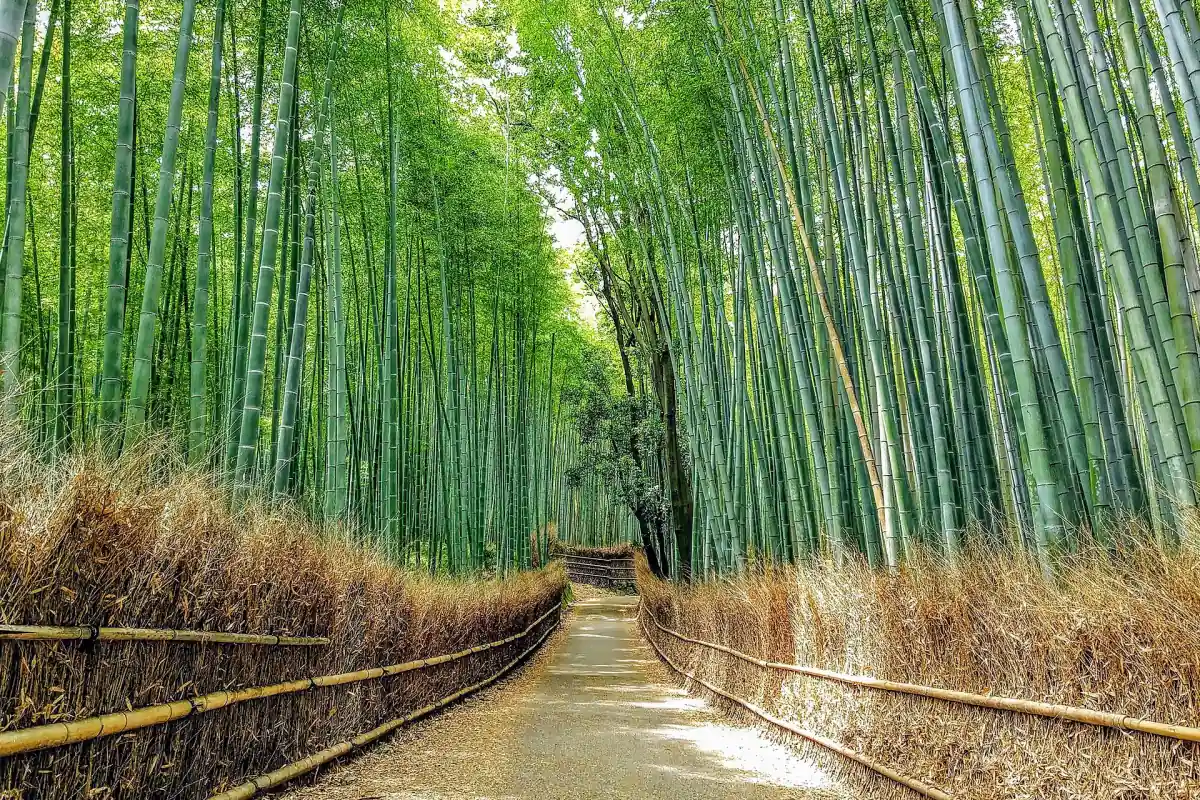
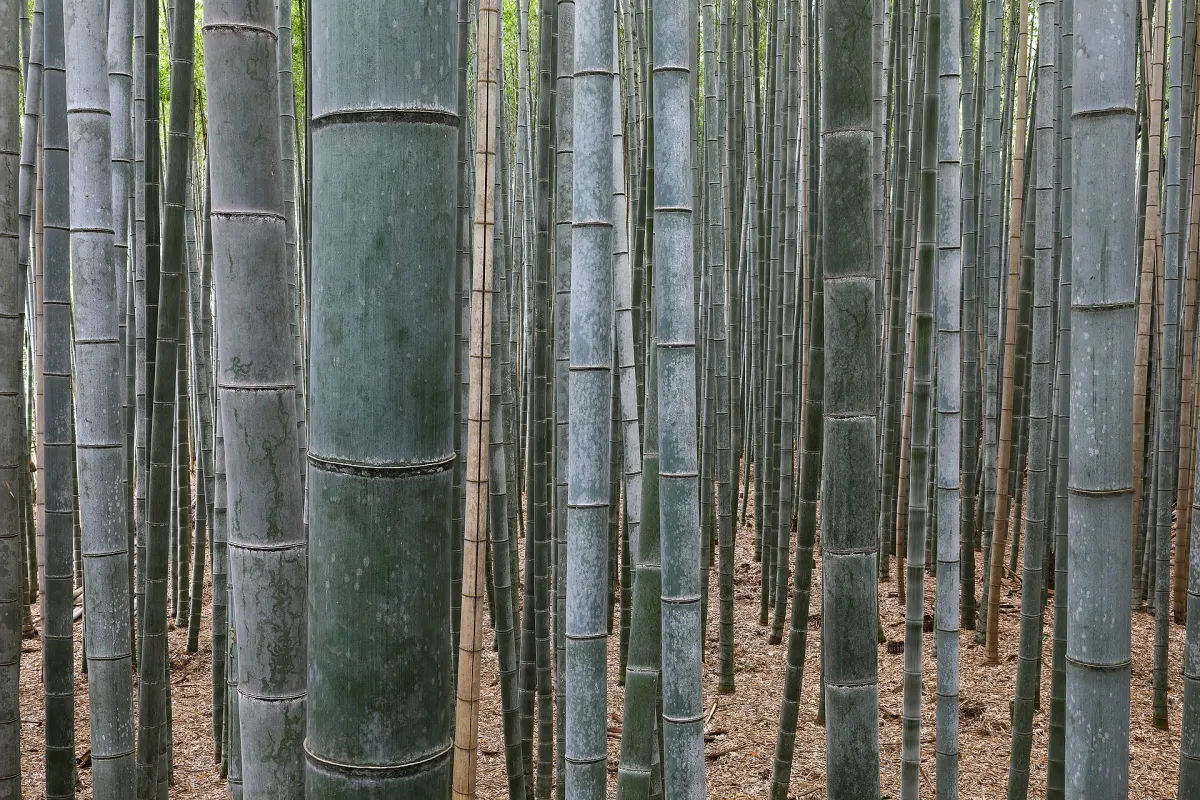
- Arashiyama Bamboo GroveKyoto
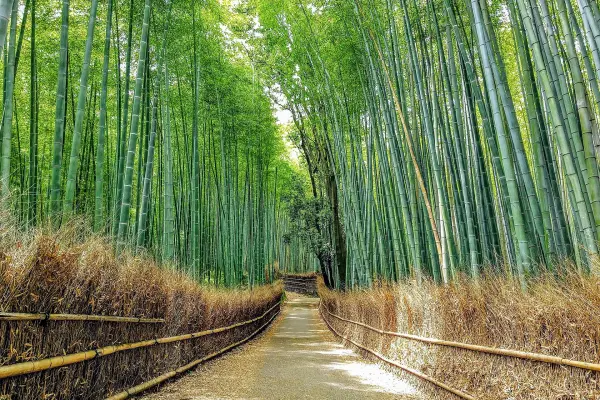
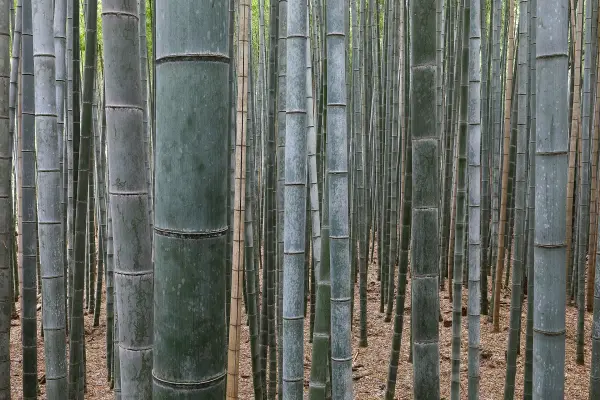 Photos: Naokijp, CC BY-SA 4.0; Basile Morin, CC BY-SA 4.0
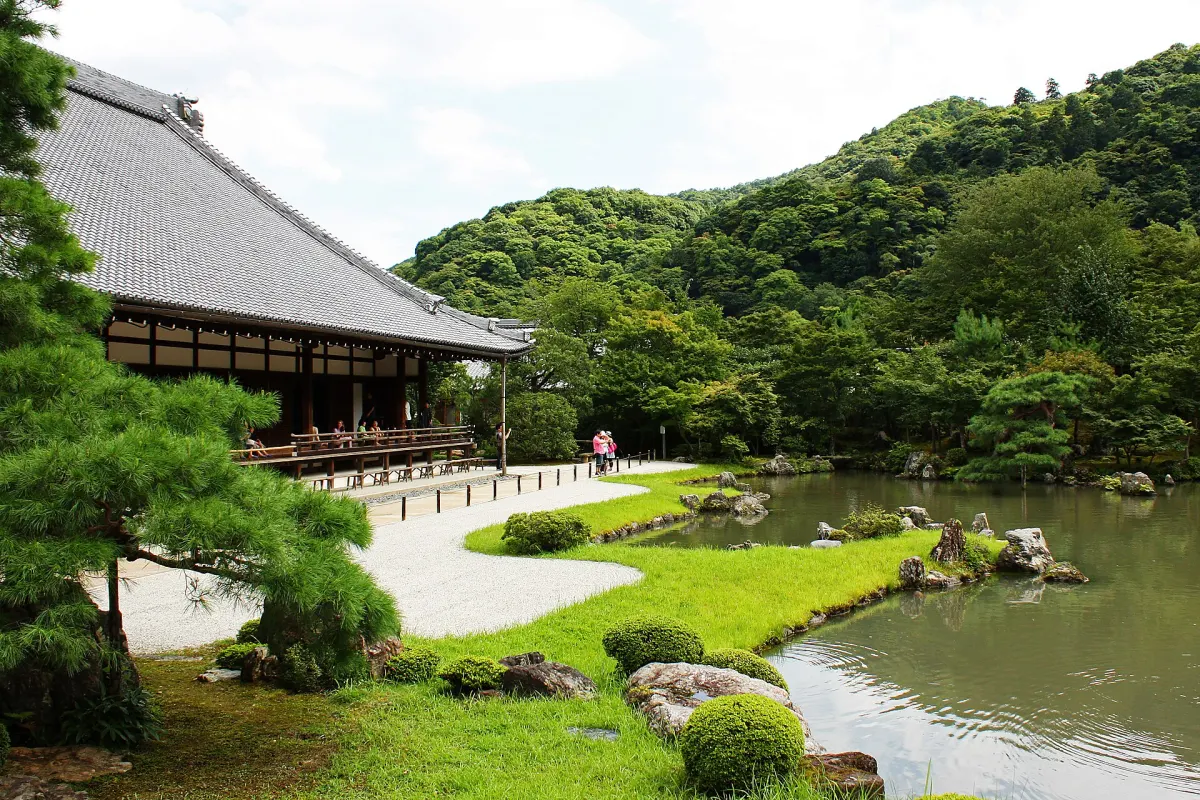
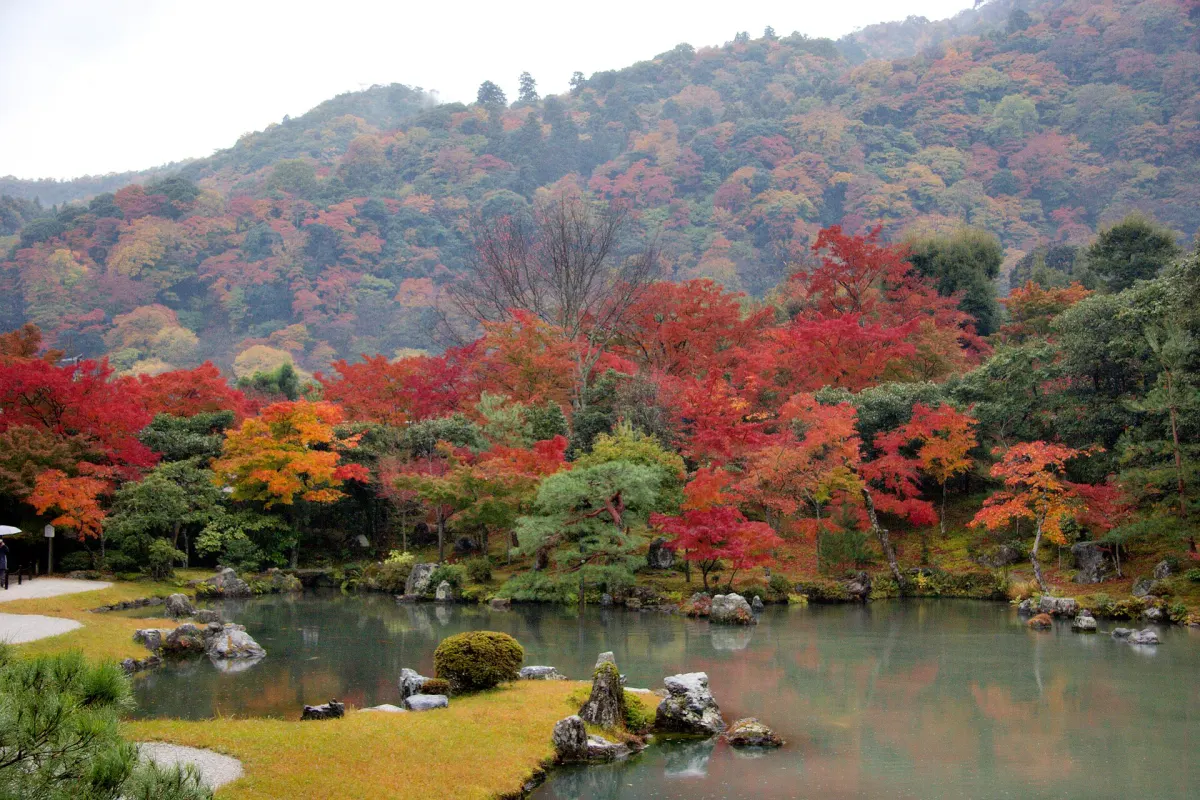
- Tenryu-ji TempleKyoto
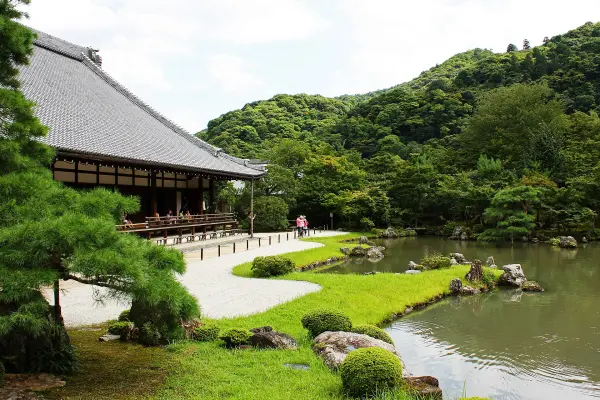
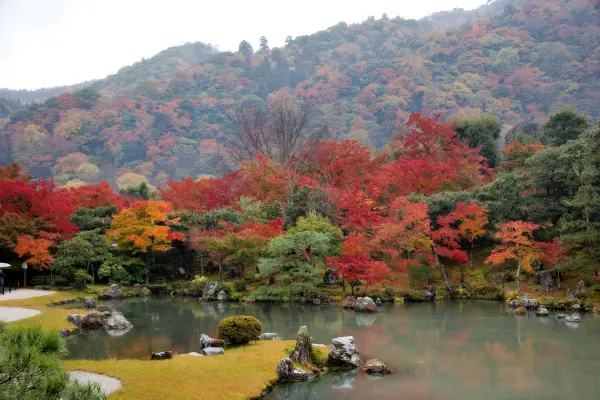 Photos: Andrea Schaffer from Sydney, Australia, CC BY 2.0; KimonBerlin, CC BY-SA 2.0
- Arashiyama tofu & shojin lunch: Shigetsu (Tenryu-ji)ArashiyamaAlso good: Yudofu Sagano · Arashiyama
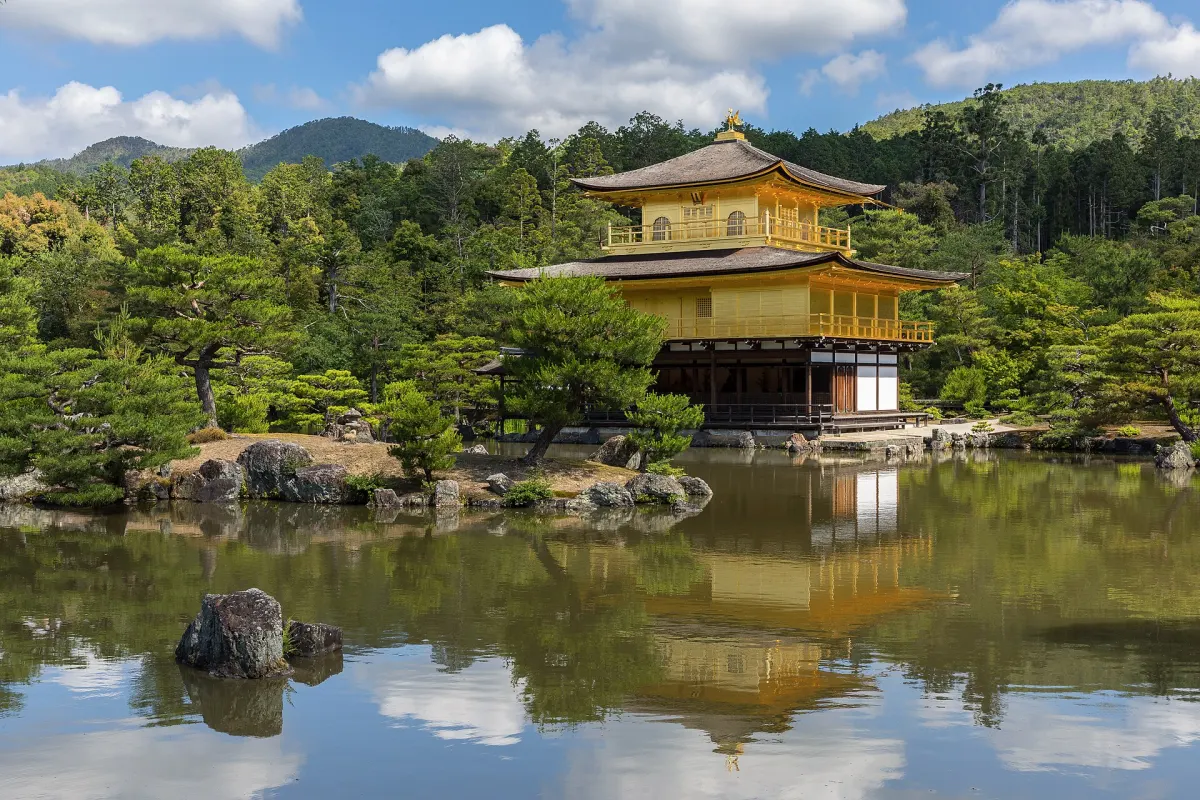
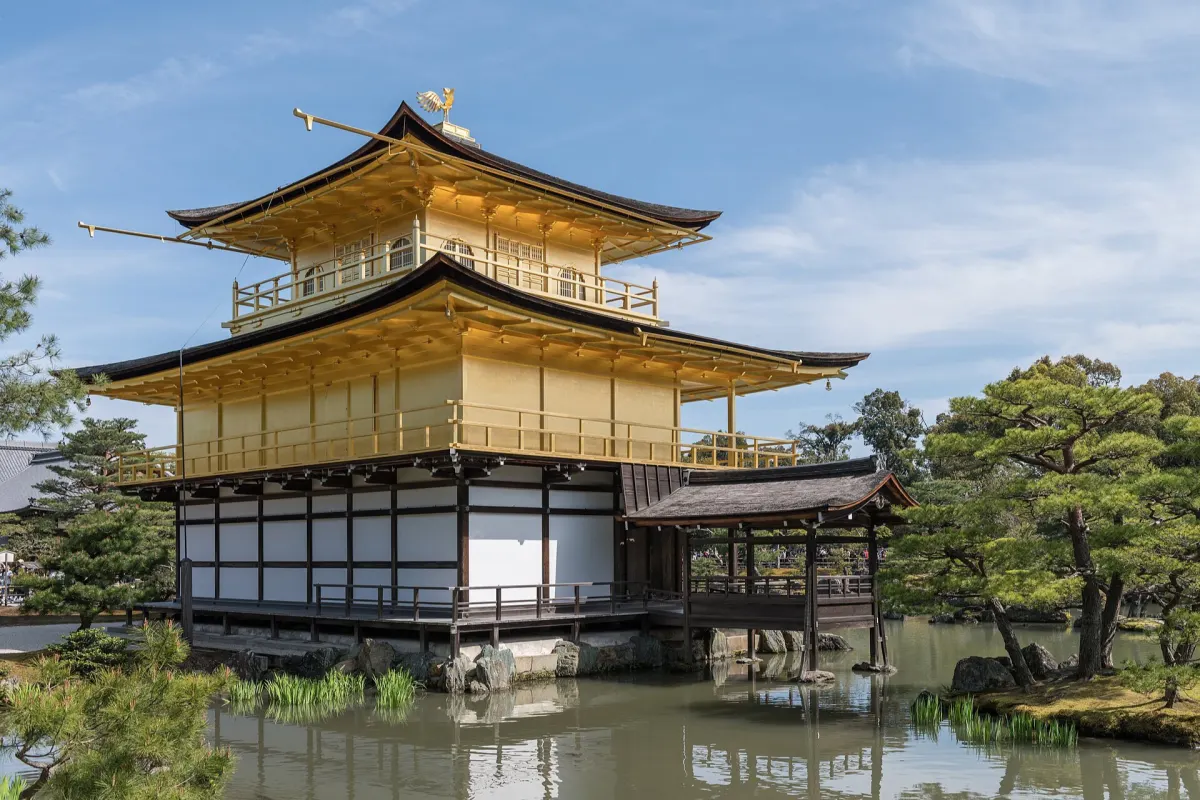
- Kinkaku-ji (Golden Pavilion)Kyoto
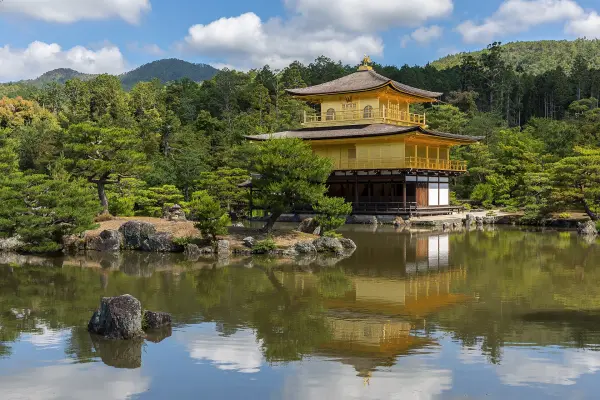
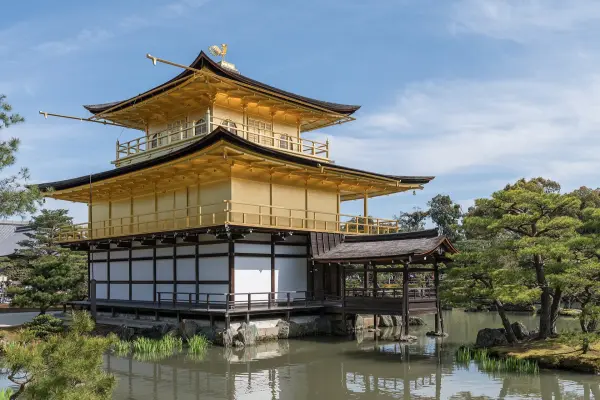 Photos: Basile Morin, CC BY-SA 4.0; DXR, CC BY-SA 4.0
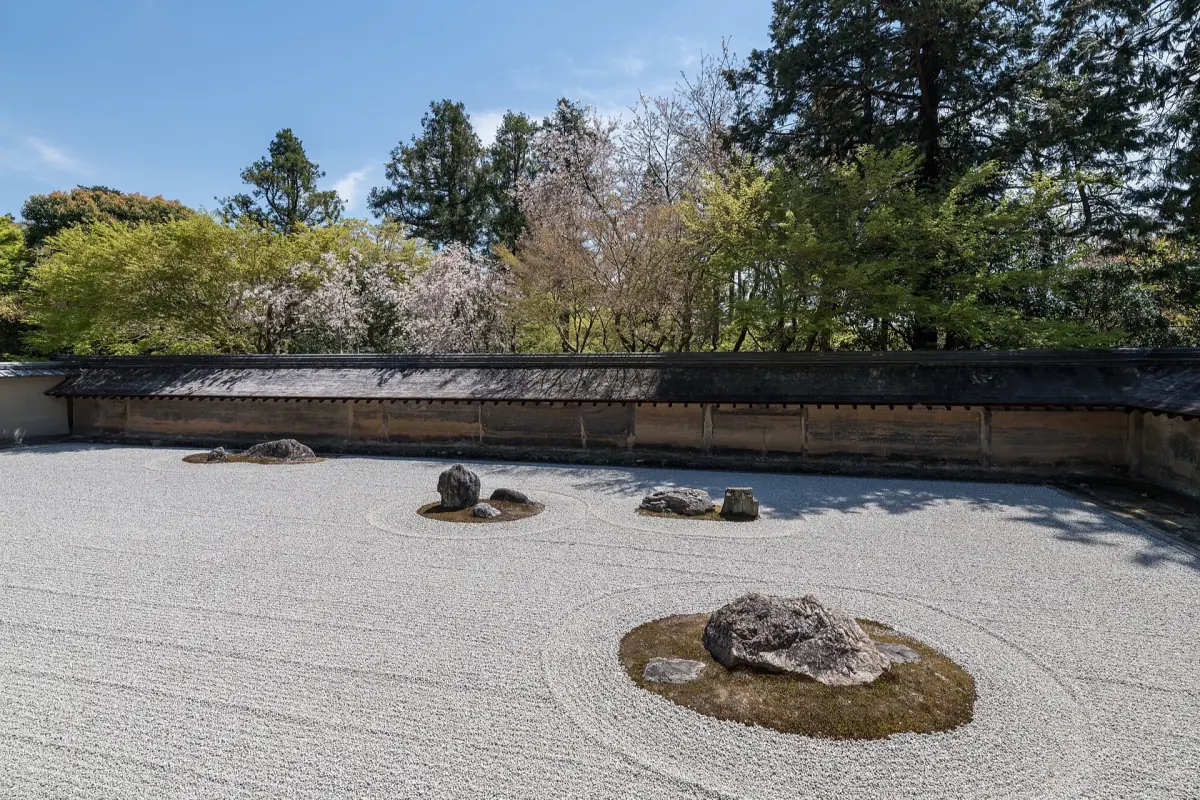
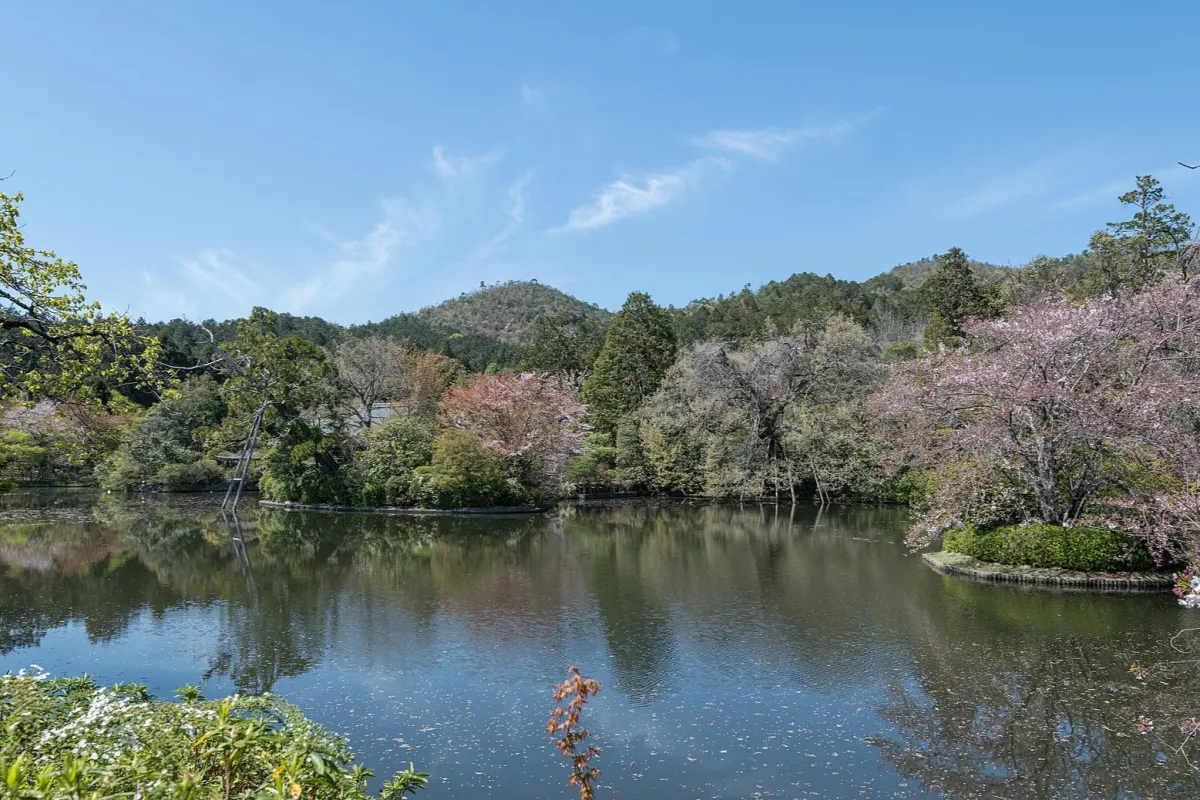
- Ryoan-ji (rock garden)Kyoto
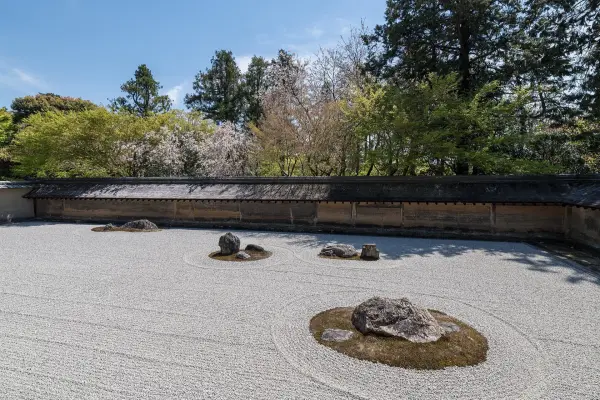
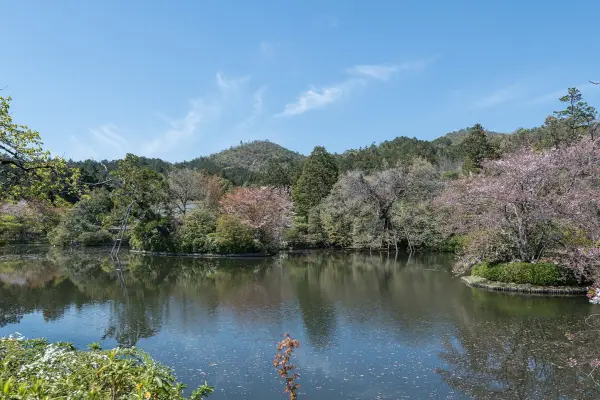 Photos: DXR, CC BY-SA 4.0; DXR, CC BY-SA 4.0
- Obanzai (Kyoto home cooking): Oryori MenamiKiyamachiAlso good: Pontocho Masuda · Pontocho
If it rains Tenryu-ji's halls and lunch indoors; the bamboo grove still works under an umbrella.
Add if you have time Kitano Tenmangu, near Kinkaku-ji (its maple garden opens 31 Oct–6 Dec 2026).
Day 4Day trip — Nara: Todai-ji, the deer park & Kasuga Taisha
- Nara — Todai-ji & deer park (day trip)TicketsDay trip
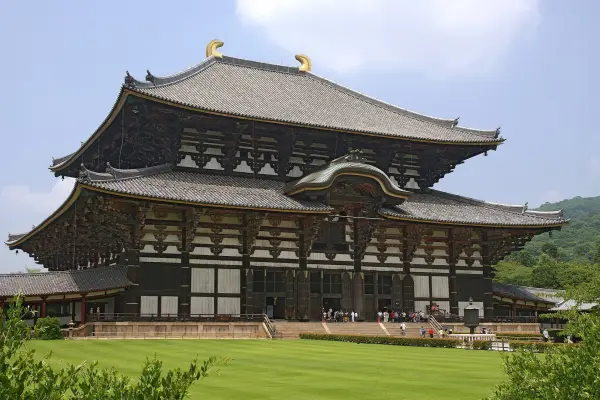
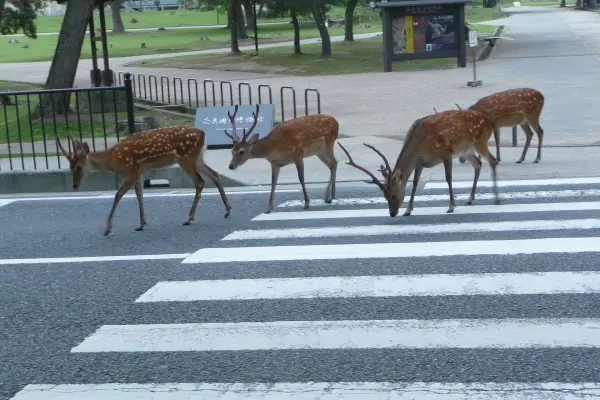 Photos: 663highland, CC BY 2.5; Immanuel Giel, CC0
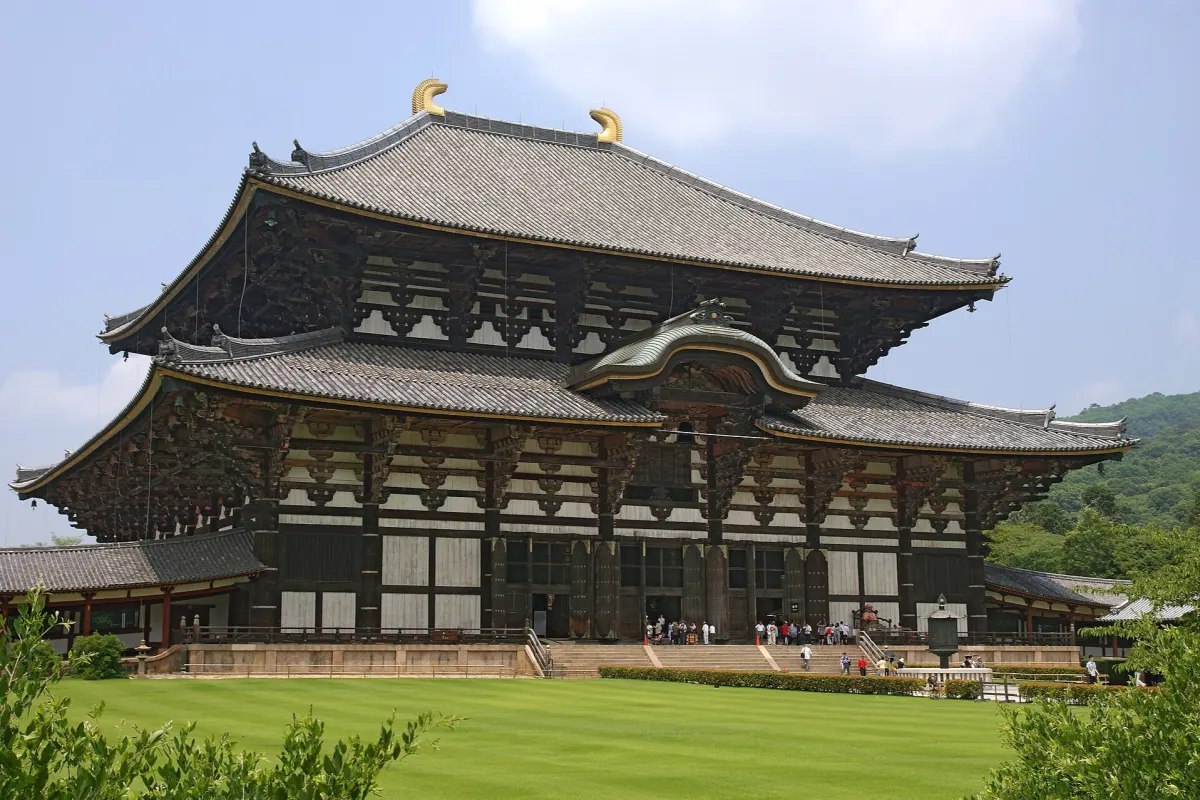
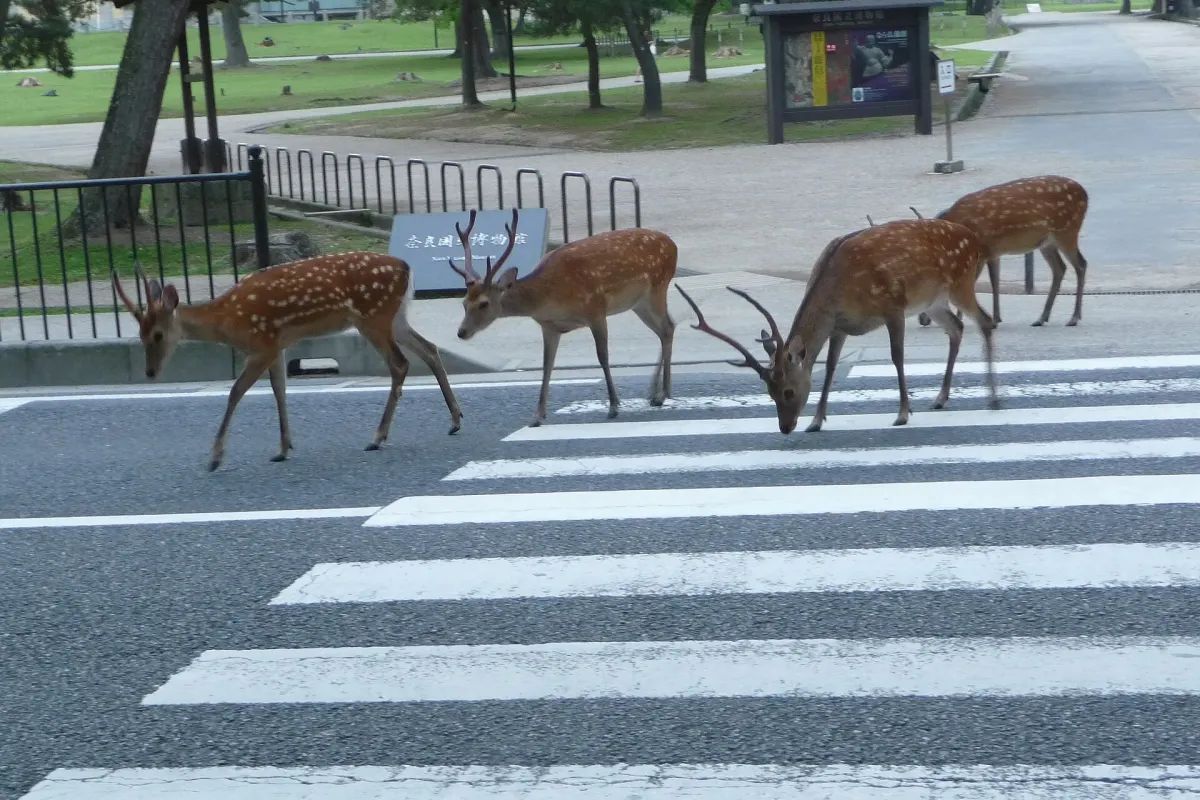
- Nara lunch: kamameshi & persimmon-leaf sushi: Kamameshi Shizuka (Nara Park)Nara ParkAlso good: Kakinoha-zushi Hiraso (Nara) · Naramachi
- Kasuga Taisha Shrine (Nara)Day trip
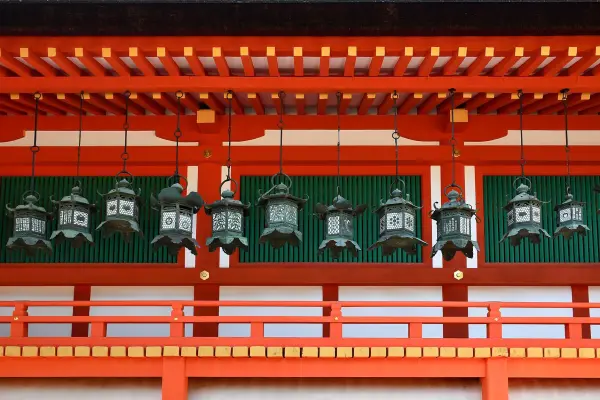
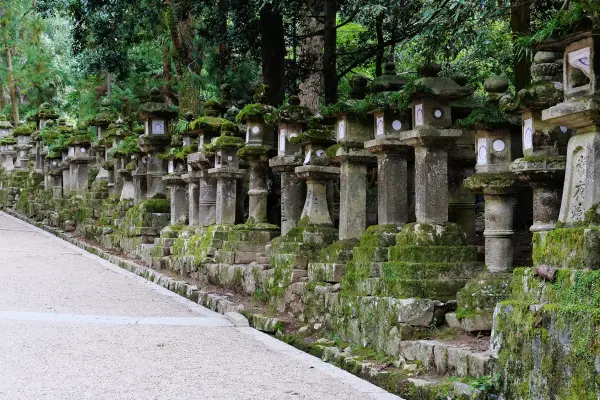 Photos: Gzzz, CC BY-SA 4.0; Zairon, CC BY 4.0
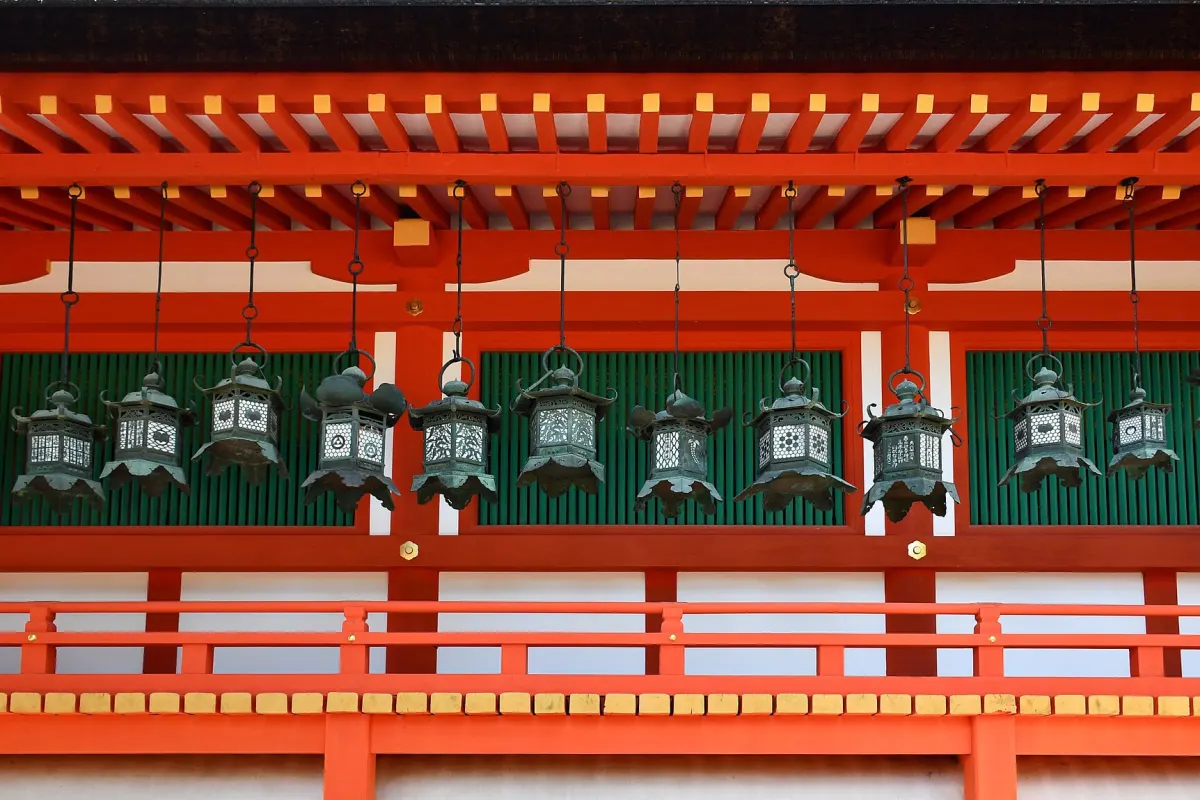
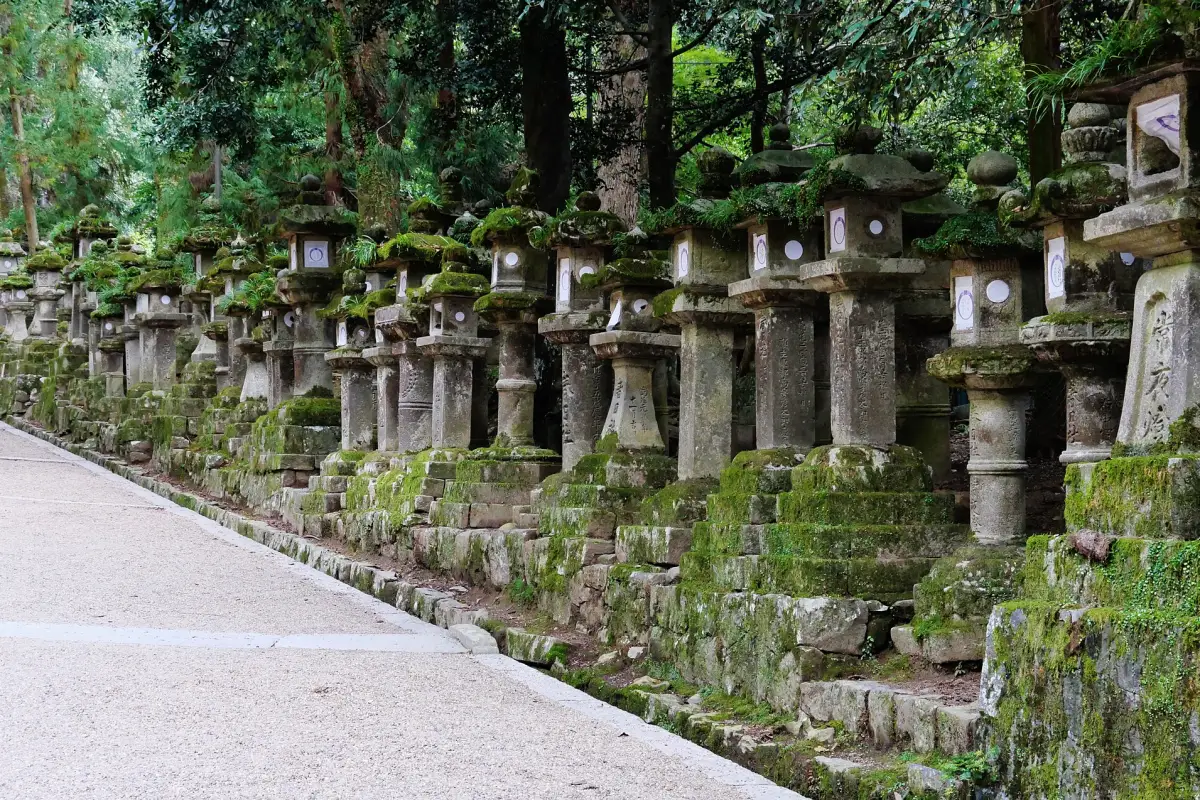
- Okonomiyaki teppan restaurant: MizunoDotonboriAlso good: Fukutaro Honten · Sennichimae (Namba), Okonomiyaki Kiji Honten · Umeda
If it rains Todai-ji's Great Buddha Hall is indoors.
Add if you have time Kofuku-ji's five-storey pagoda on the walk back to Kintetsu-Nara Station.
Day 5South Osaka — Sumiyoshi, Shitenno-ji, Abeno Harukas, Den Den Town & Shinsekai
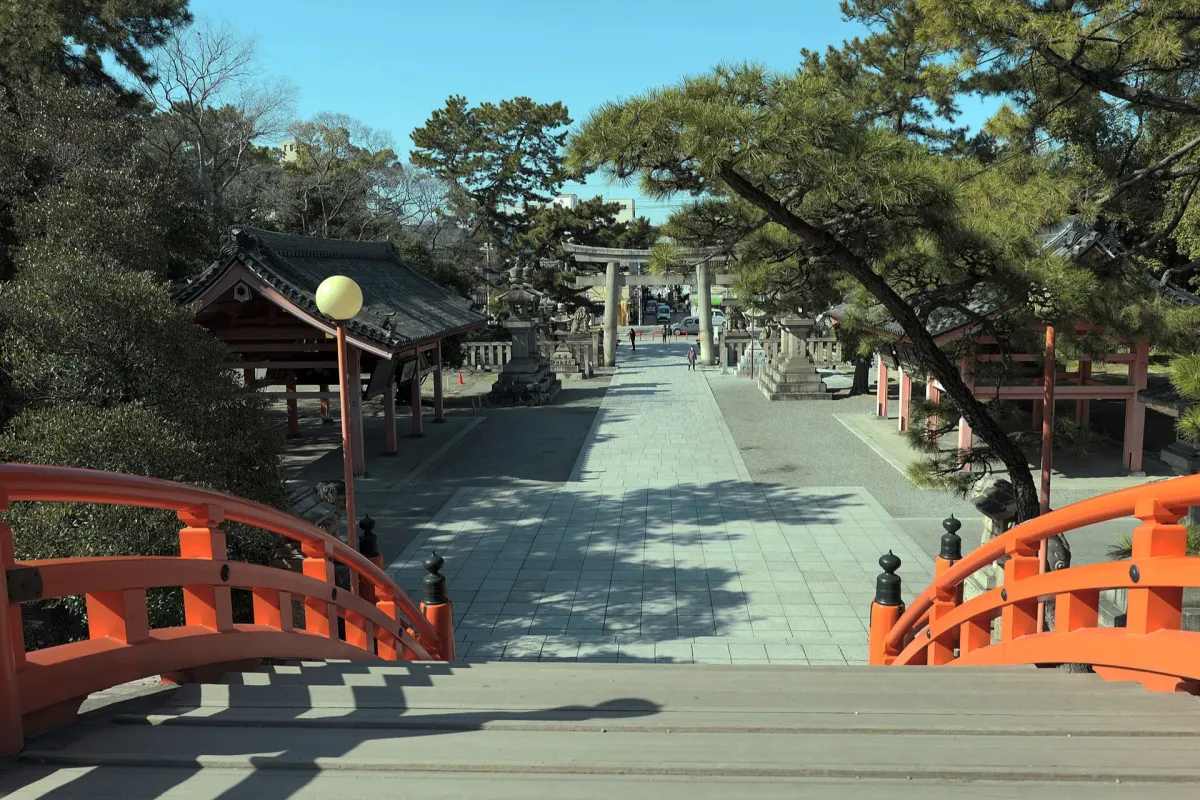
- Sumiyoshi TaishaSouth Osaka
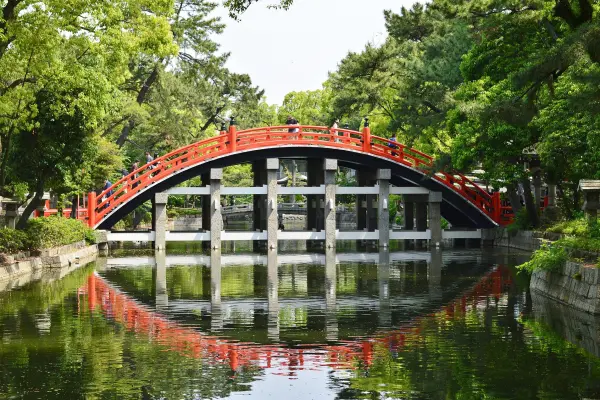
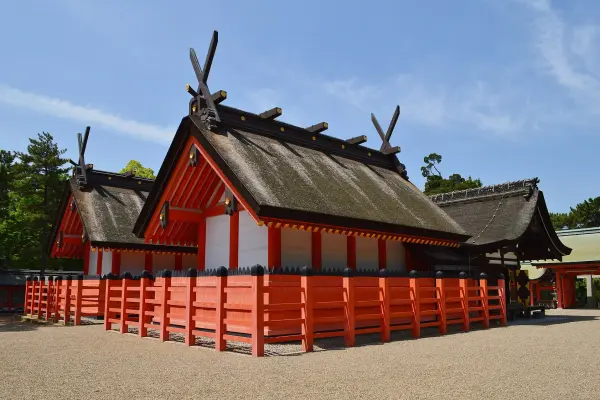
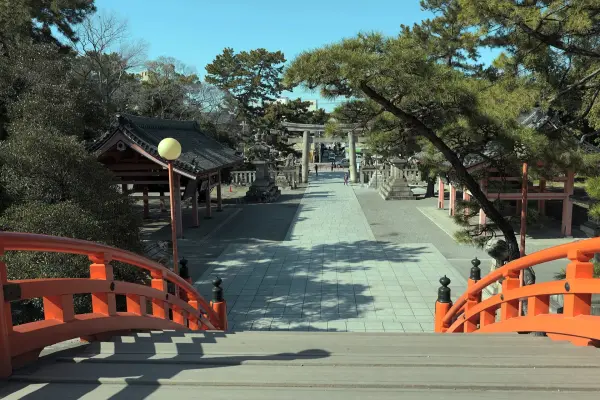 Photos: Saigen Jiro, CC0; Saigen Jiro, CC0; Hyppolyte de Saint-Rambert, CC BY 4.0
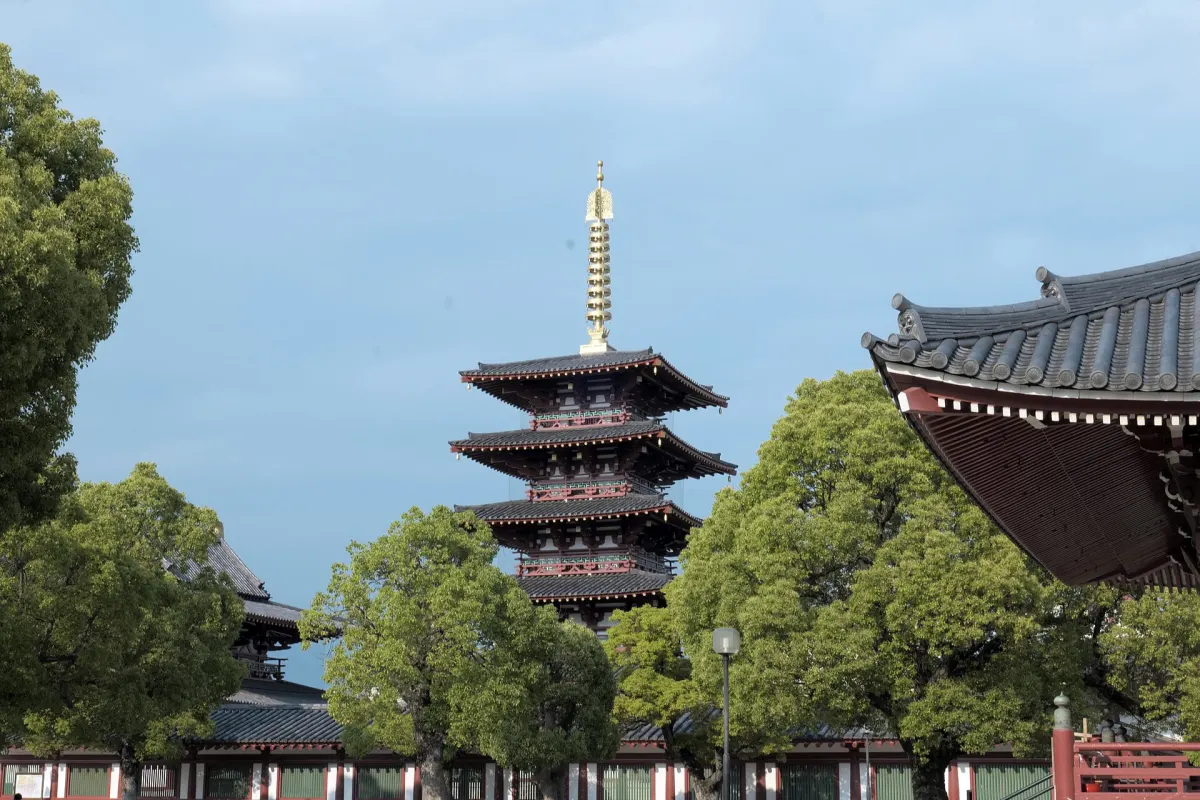
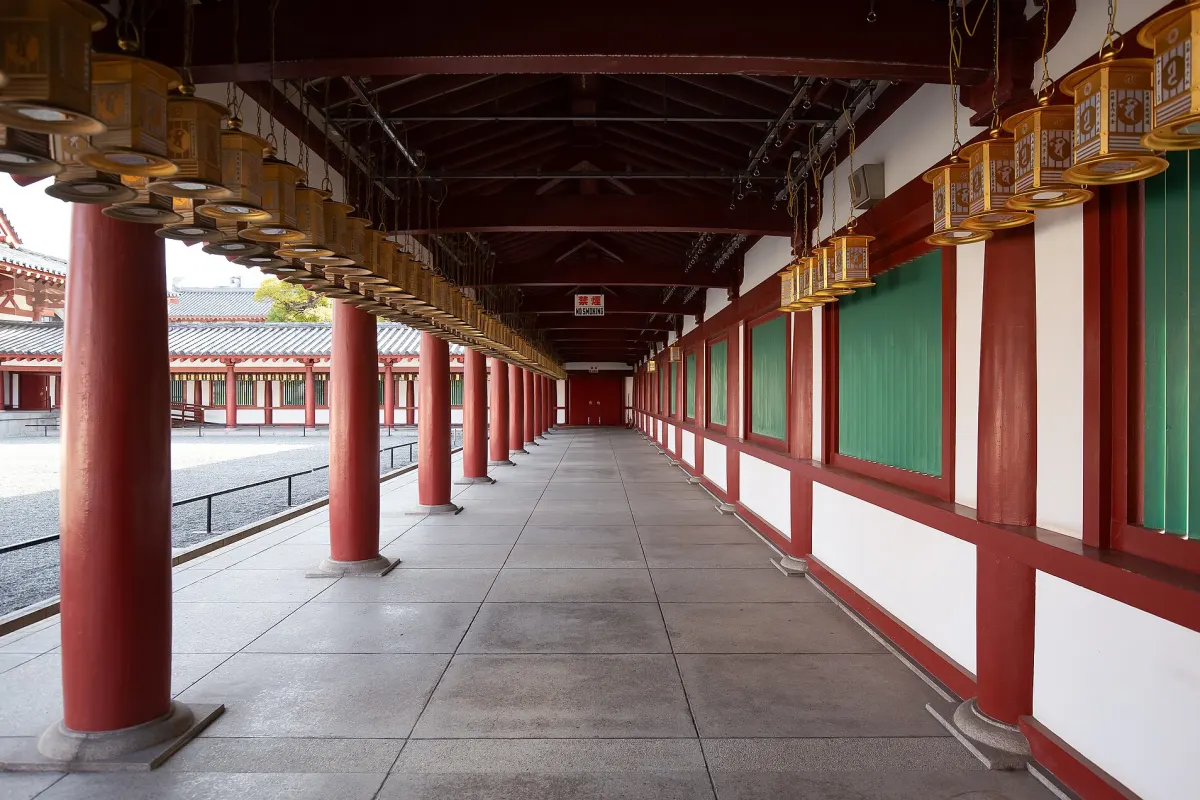
- Shitenno-ji TempleTennoji (Osaka)
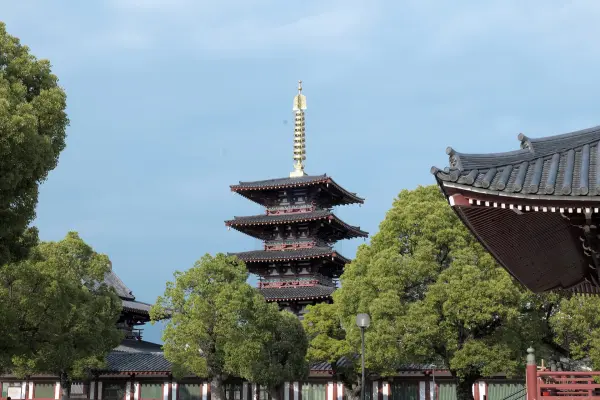
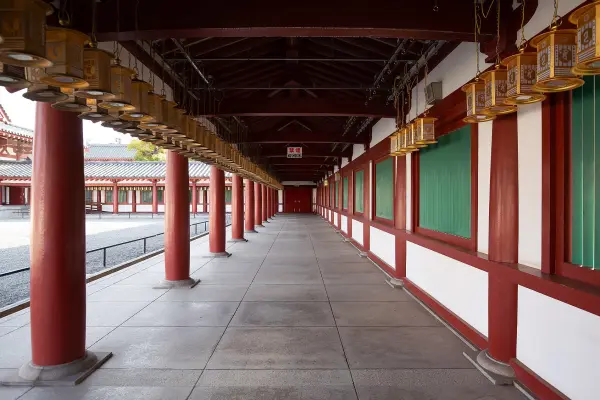
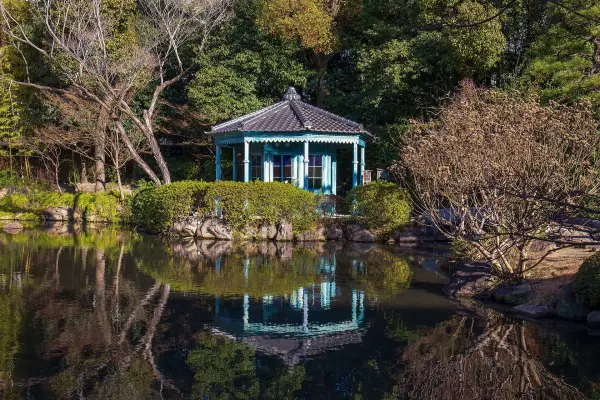 Photos: Hyppolyte de Saint-Rambert, CC BY 4.0; Laitche, CC BY-SA 4.0; Laitche, CC BY-SA 4.0
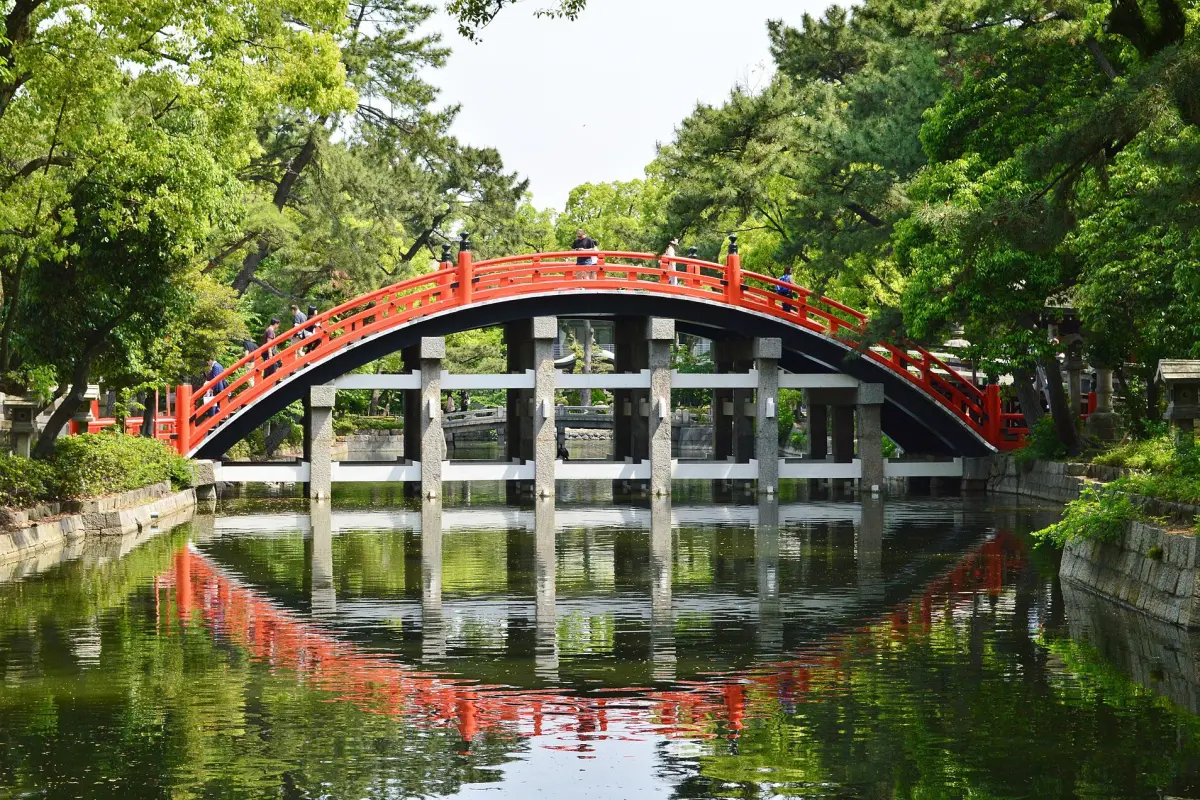
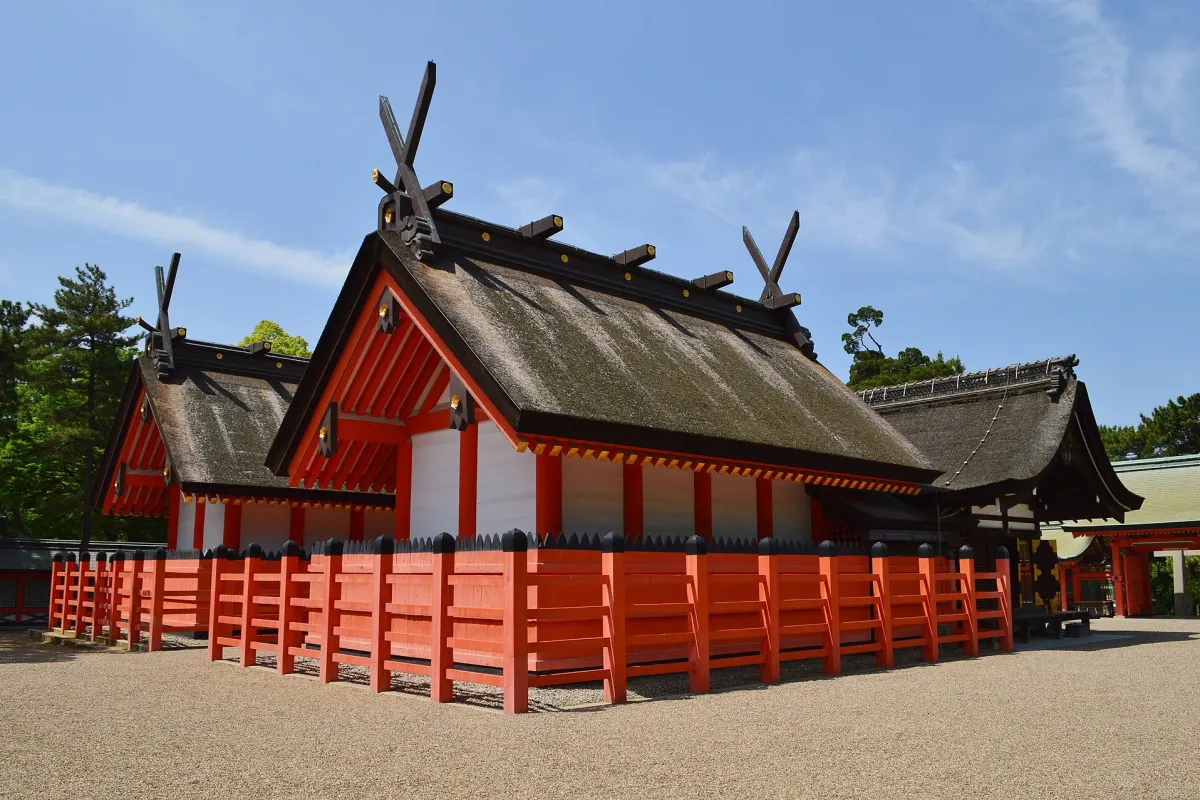
- Takoyaki (octopus balls): Yamachan HontenAbeno (Tennoji)Also good: Aizuya Honten · Tamade (South Osaka), Koga-ryu Honten (Amerikamura) · Amerikamura
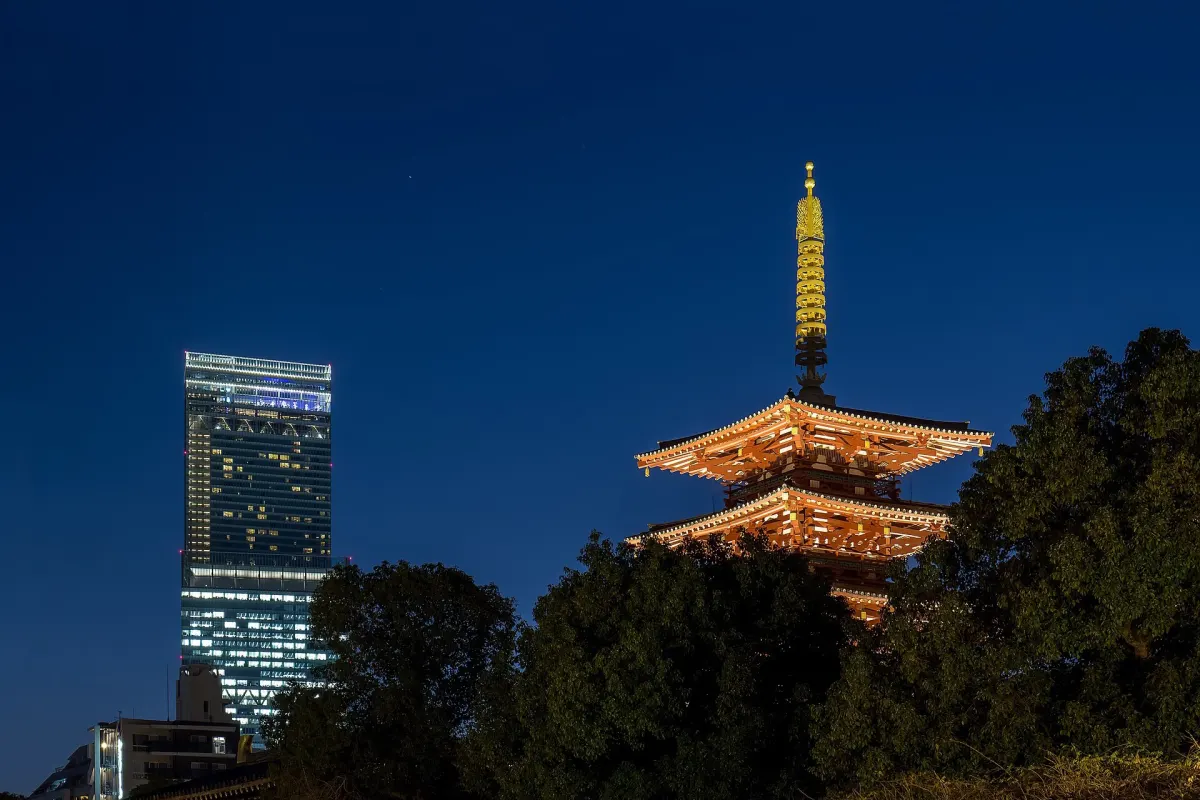
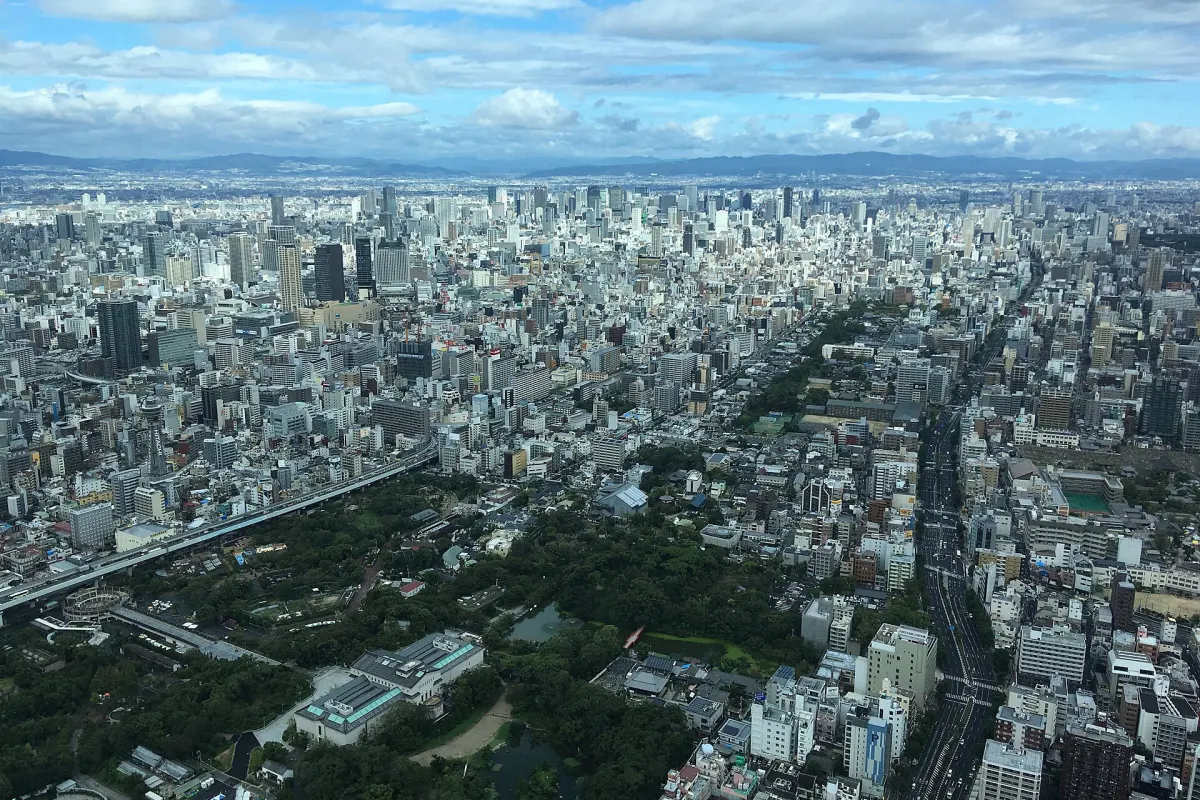
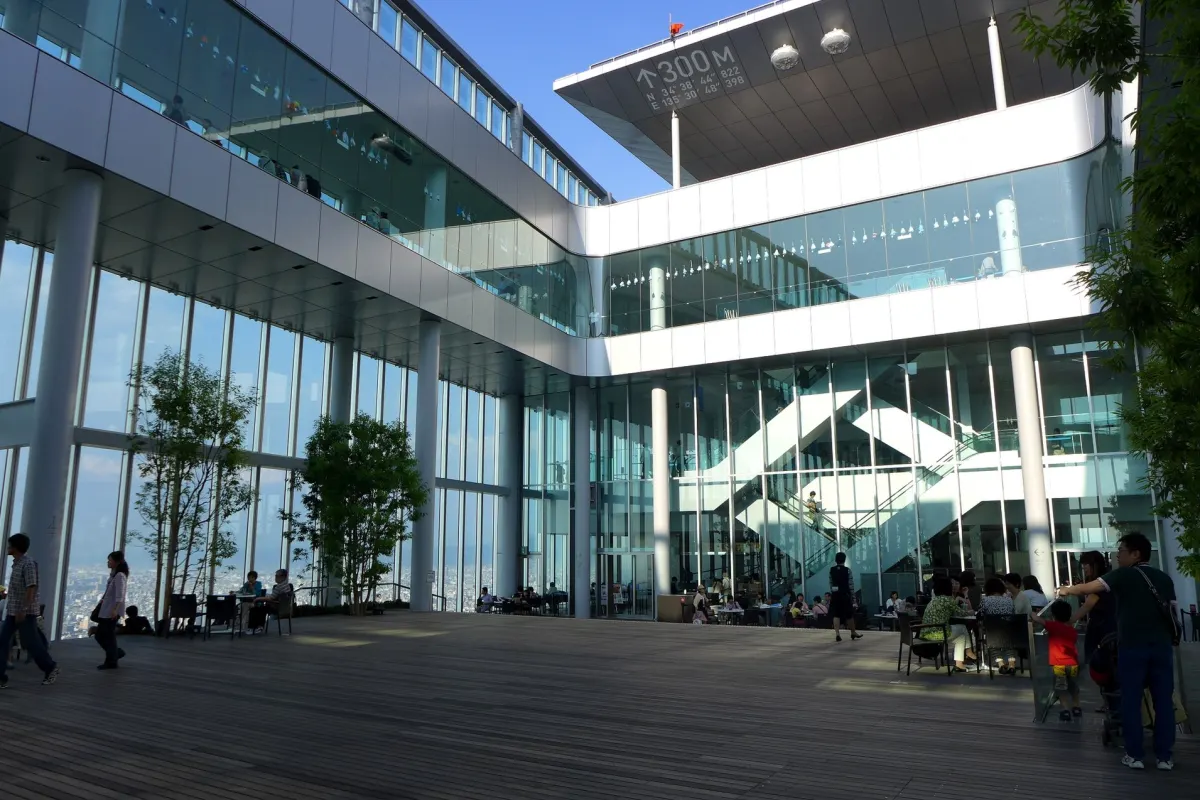
- Harukas 300 (Abeno Harukas observatory)TicketsTennoji (Osaka)
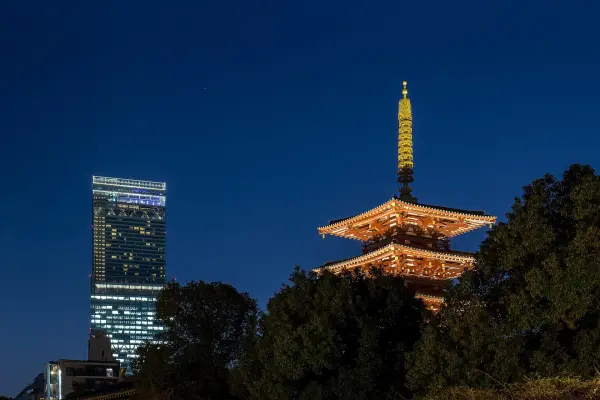
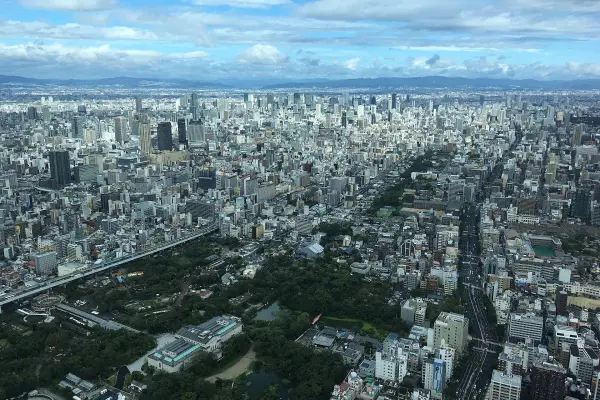
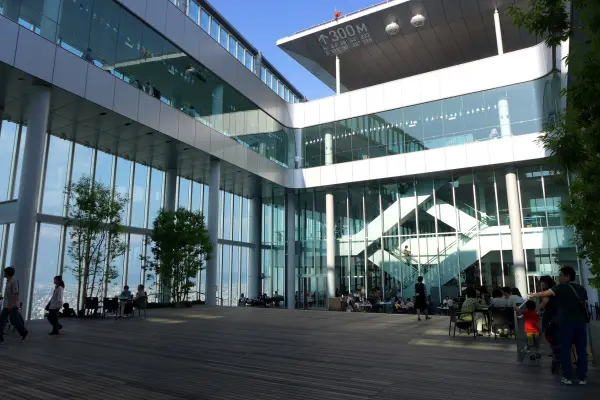 Photos: Laitche, CC BY-SA 4.0; Christophe95, CC BY-SA 4.0; Wpcpey, CC BY 4.0
- Den Den Town (Nipponbashi)Namba (Osaka)
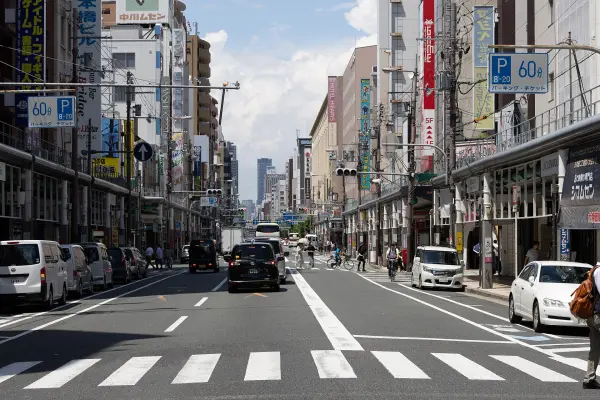
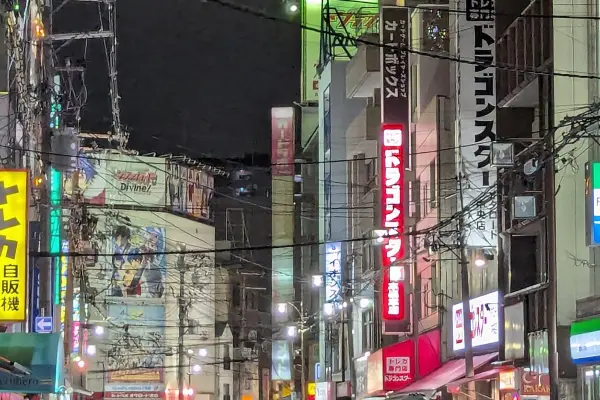 Photos: Clemens Vasters, CC BY 2.0; Takipoint123, CC BY-SA 4.0
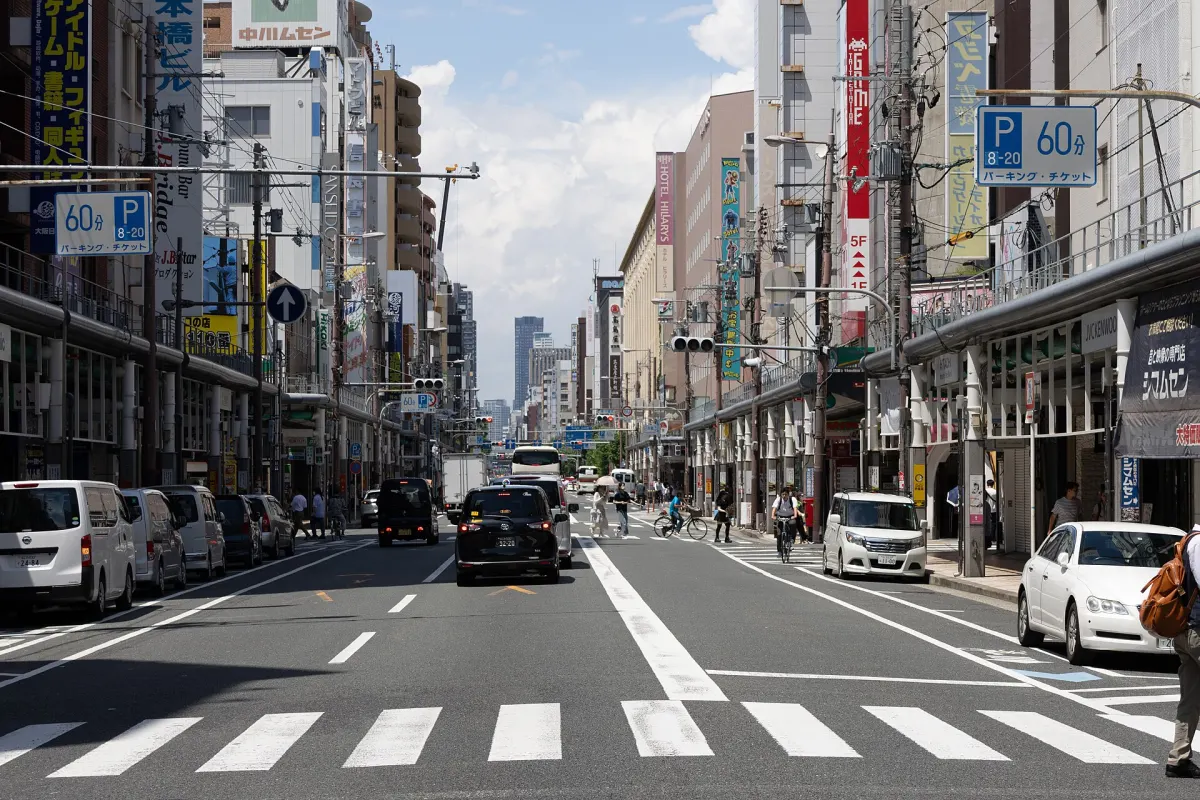
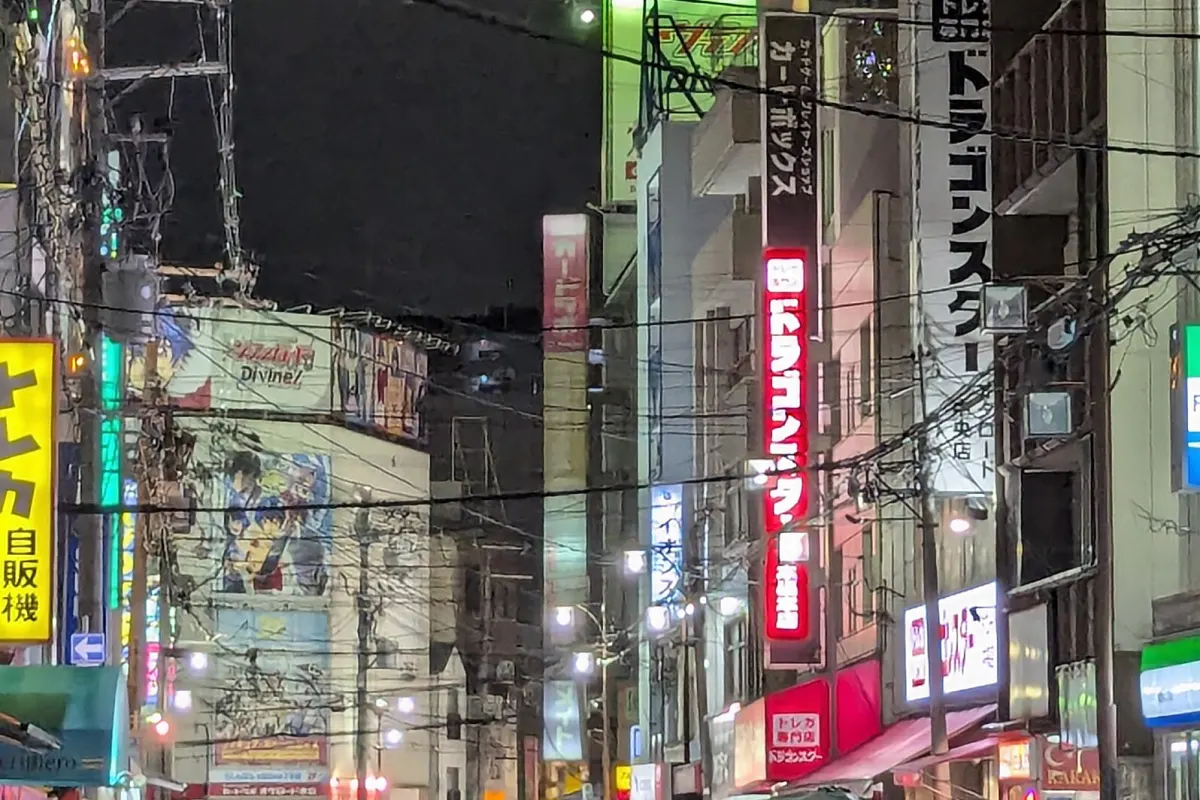
- Kushikatsu (Shinsekai): Ganso Kushikatsu Daruma Shinsekai SohontenShinsekaiAlso good: Yaekatsu · Shinsekai
- Shinsekai & TsutenkakuShinsekai (Osaka)
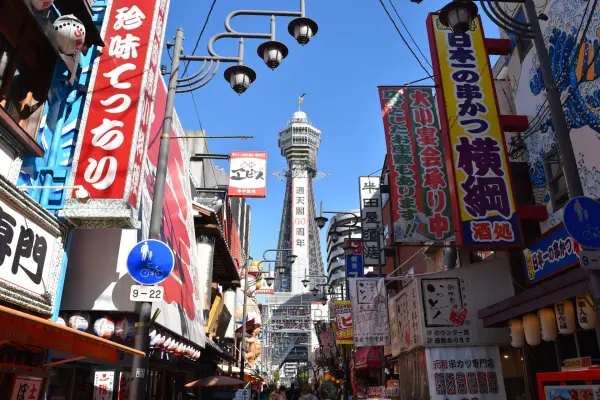
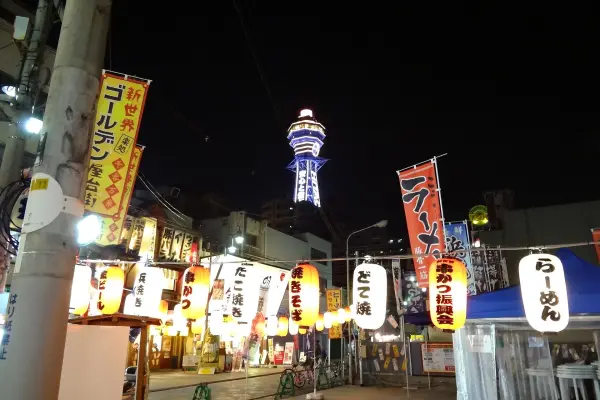
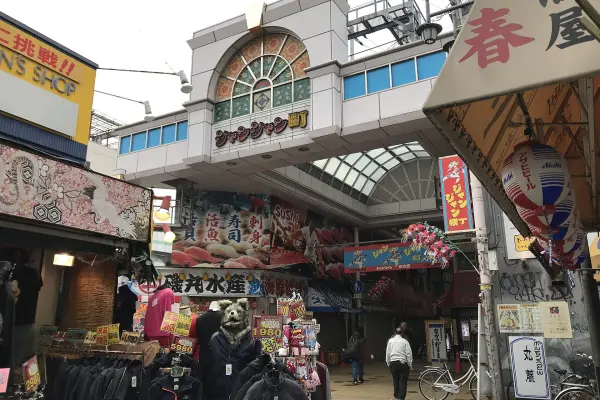 Photos: Andrew Currie, CC BY-SA 3.0; C.L. Kao (eddie5150), CC BY-SA 3.0; そらみみ, CC BY-SA 4.0
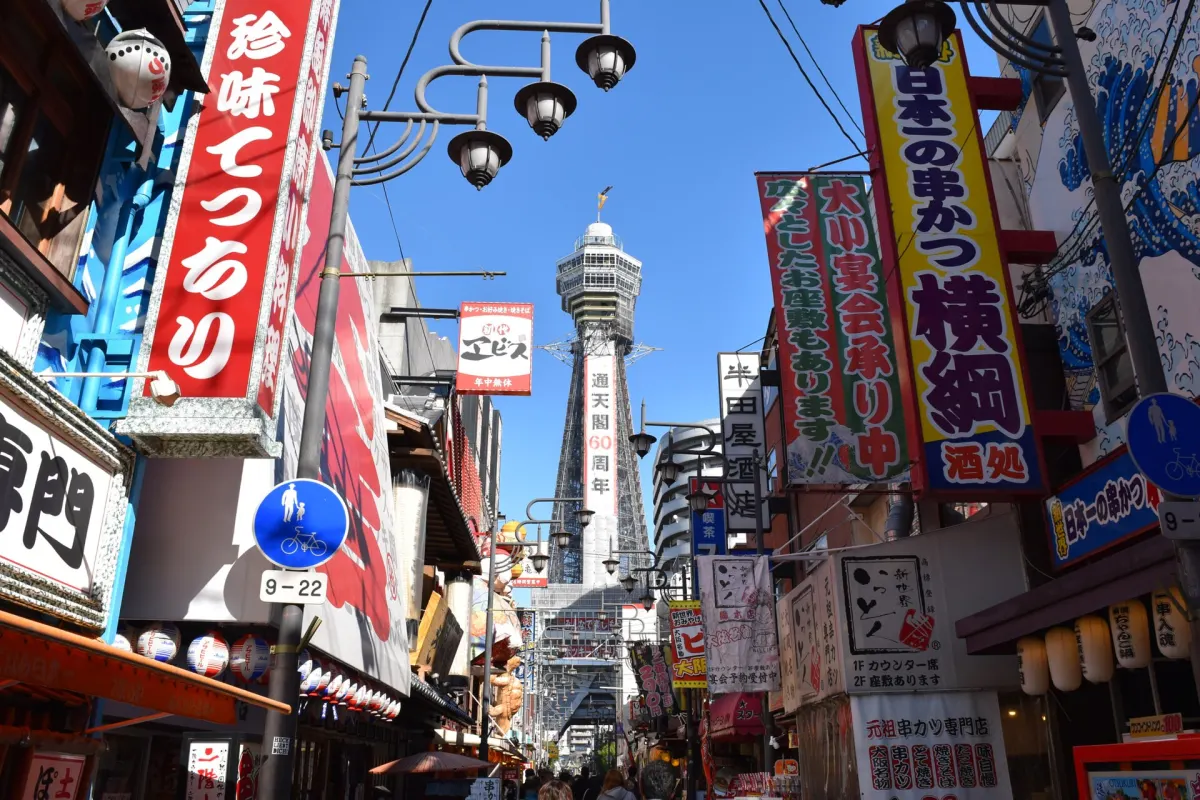
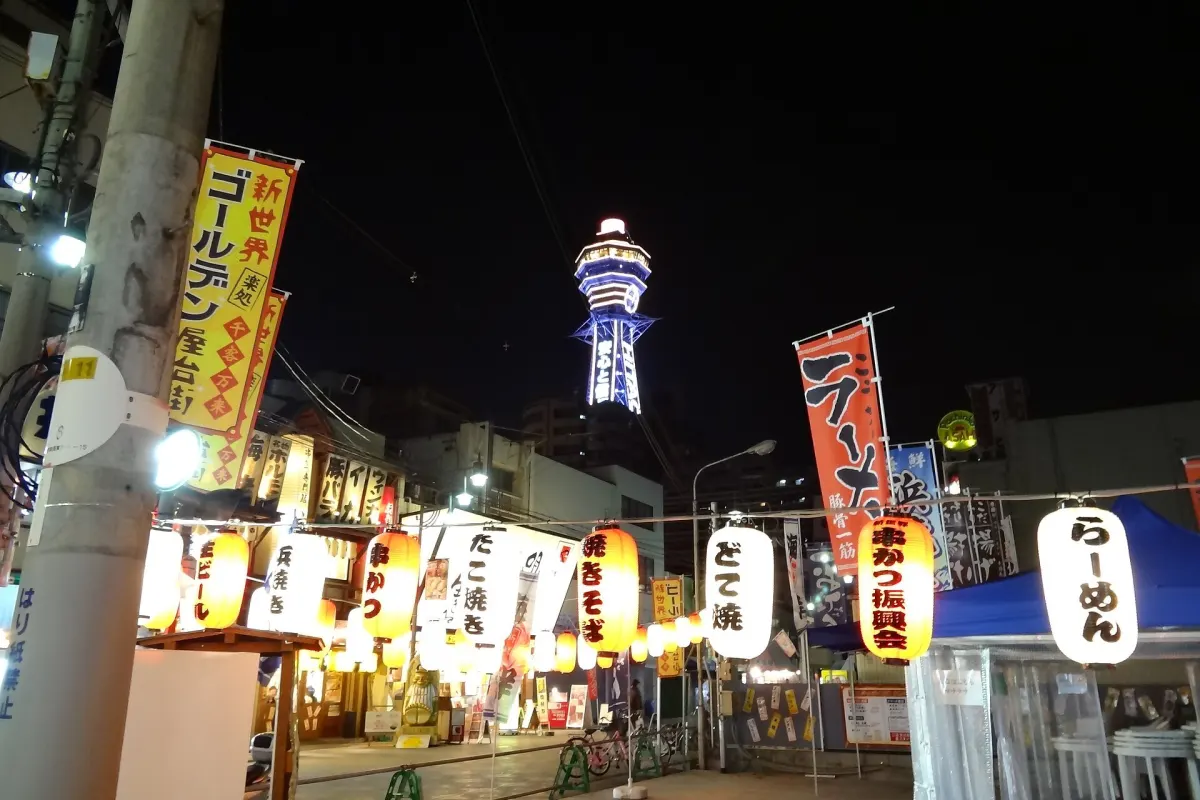
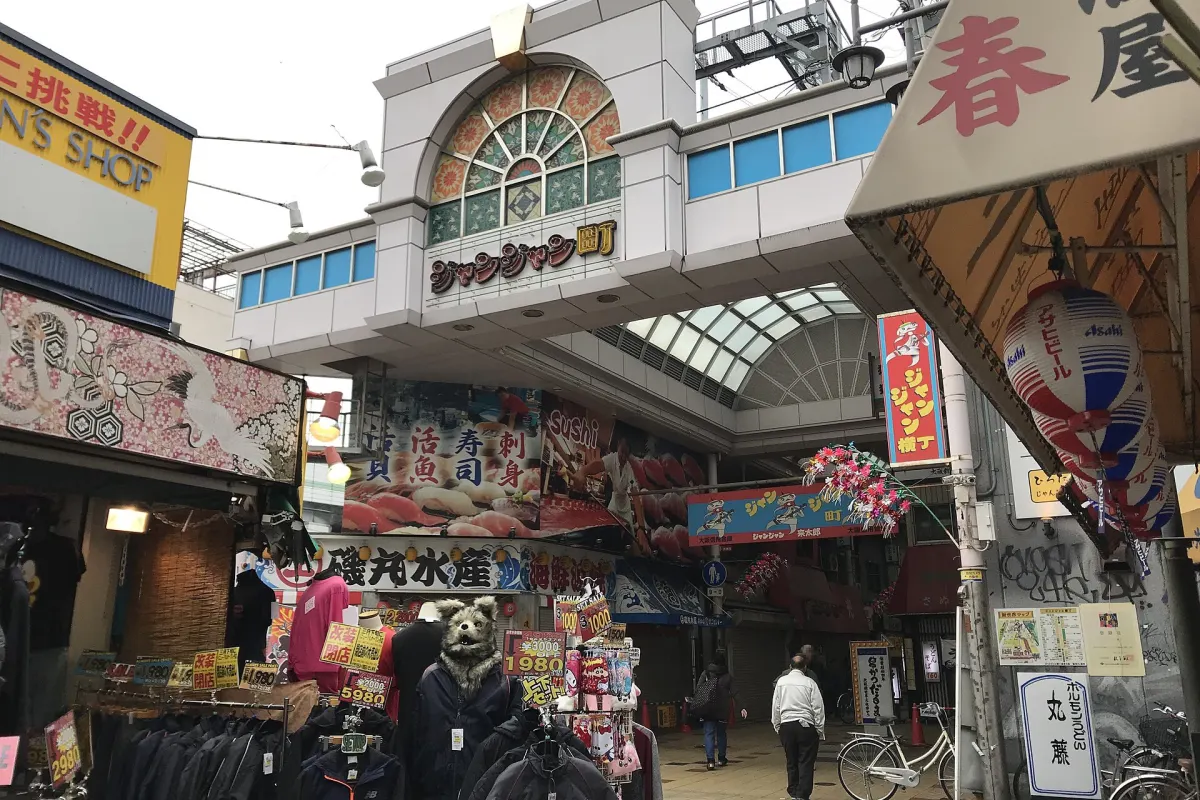
If it rains Shitenno-ji's halls, the Harukas 300 deck and Den Den Town's shops are indoors; Shinsekai is fine with an umbrella.
Add if you have time A last Dotonbori stroll if your flight leaves late.
Route last checked 2026-10-20 — verify hours and bookings before you go.
Ticket links in this guide are Klook affiliate links. If you book through them, PlanAsiaTrips may earn a commission, at no extra cost to you.
Want this as an interactive guide you can reshape by length, budget and pace — with the maps, food and a one-tap PDF?
Get the Osaka & Kyoto Destination Pass · S$9.90 Or build a free planWhere to stay in Osaka & Kyoto
Most travellers base in Osaka (Namba or Umeda) for the food, nightlife and Kansai-airport access, day-tripping to Kyoto (28 min) and Nara. If your trip is temple-focused, basing in Kyoto saves commute time. Rates spike for cherry blossom, autumn foliage and Gion Matsuri (July).
Namba / Shinsaibashi (Osaka)
First-timers — Dotonbori, shopping, KIX access
Umeda / Kita (Osaka)
Shinkansen and big-station convenience
Kyoto Station / Downtown
Temple-focused trips
Gion / Higashiyama (Kyoto)
Atmospheric, traditional, pricier
By budget
- Budget — S$40–80 · Capsule hotels, Hostels, Budget business hotels
- Mid-range — S$130–220 · 3–4 star business and boutique hotels
- Comfortable — S$280–720 · 4–5 star hotels, Kyoto ryokan
- Base in one city to avoid moving hotels — the Osaka–Kyoto train is fast and frequent.
- A Kyoto ryokan night (with kaiseki and onsen) is worth one splurge if budget allows.
- Book months ahead for sakura (late March–early April) and November foliage.
Rates and availability change constantly — confirm with the hotel or a booking site before paying.
What to budget for Osaka & Kyoto
Per person, per day, excluding flights. A rough guide only — your costs depend on season, area and pace.
Budget
- Accommodation: Capsule / hostel / budget business hotel (JPY 4,000–9,000).
- Meals: Street food and counters — Dotonbori takoyaki, Shinsekai kushikatsu, Kyoto ramen and curry udon (JPY 500–1,500/meal).
- Transport: ICOCA on subways/JR; walk between close stops.
- Attractions: Free shrines and temple grounds; one paid temple/view at a time.
- Evening: Dotonbori grazing, Shinsekai kushikatsu, free castle-park and riverside walks.
Mid-range
- Accommodation: 3–4 star business/boutique hotel (JPY 12,000–22,000).
- Meals: Mix of street food and sit-downs — Izuu's saba-zushi and Shigetsu's temple lunch (both MICHELIN Bib Gourmand 2026), Arashiyama yudofu, Dotonbori okonomiyaki (JPY 1,000–5,000/meal).
- Transport: ICOCA + occasional taxi for convenience.
- Attractions: Add temple entries, a tower view and the aquarium.
- Evening: Okonomiyaki/izakaya dinner, a sunset view, Pontocho riverside.
Comfortable
- Accommodation: 4–5 star hotel or a Kyoto ryokan (JPY 30,000–80,000).
- Meals: Good restaurants plus one starred or kaiseki dinner — La Cime (two MICHELIN Stars, 2026) in Osaka or Kikunoi Honten (three Stars, 2026) in Kyoto; book ahead (JPY 3,000–50,000/meal).
- Transport: Taxis where convenient; ICOCA for quick hops; reserved express seats.
- Attractions: Add premium experiences, a tea ceremony, a Kobe-beef lunch.
- Evening: Starred/kaiseki dinner, then a Pontocho riverside stroll or hotel bar.
When to visit Osaka & Kyoto
Weather and blossom/foliage timing vary year to year. Treat this as general guidance and check a forecast and bloom forecasts close to your dates.
Spring Mar, Apr, May
Mild, roughly 10–22°C; ideal for walking.
Visit Fushimi Inari and Arashiyama at dawn; book accommodation early; expect packed Kyoto buses.
Look out for: Cherry blossom, Golden Week (late Apr–early May)
Summer Jun, Jul, Aug
Hot and humid, often 28–35°C.
Front-load temples in the early morning; use aquariums, markets and depachika at midday; dine riverside in the evening.
Look out for: Gion Matsuri (July), Pontocho riverside (yuka) dining
Autumn Sep, Oct, Nov
Cooling and comfortable, roughly 12–25°C.
Start foliage temples at opening; central gardens (Imperial Park) are quieter alternatives.
Look out for: Autumn foliage, Illuminated temple evenings (seasonal)
Winter Dec, Jan, Feb
Cold and dry, roughly 2–10°C; light snow possible.
Lean on indoor markets, depachika, aquariums and hot kushikatsu/okonomiyaki; keep outdoor temple time short.
Look out for: Winter illuminations, Quieter temples
Common Osaka & Kyoto mistakes to avoid
- Trying to 'do' Kyoto from Osaka in a rushed half-day — give Kyoto at least a full day or two.
- Visiting Fushimi Inari or Arashiyama at midday — go at opening to beat crowds.
- Underestimating Kyoto bus times and queues — build in buffers.
- Only eating in Dotonbori — Kuromon Market and back-street shops are better value.
- Skipping a seat reservation on busy tourist trains in peak season.
Good to know in Osaka & Kyoto
Getting around
- Osaka: the Midosuji subway line links Umeda–Shinsaibashi–Namba–Tennoji; the JR Loop circles the city.
- Osaka ↔ Kyoto: JR Special Rapid ~28 min, or the Hankyu/Keihan private lines into central Kyoto.
- Kyoto: subway + buses reach the temples; buses get crowded — allow buffers and use the subway where possible.
- Avoid rush hour (08:00–09:30) with luggage; reserve seats on busy tourist trains in peak season.
Buy an ICOCA card at any station and top up. Tap on Osaka Metro, JR, private lines and Kyoto buses/subway across the whole Kansai region.
Money & connectivity
- Cash still useful for small shops, temples and market stalls; IC cards and cards increasingly accepted. Carry some yen.
- Cheap tourist SIMs/eSIMs and pocket Wi-Fi at Kansai Airport; reliable 4G/5G. Free Wi-Fi in stations and convenience stores.
- No tipping anywhere — it's not expected.
Local etiquette
- Temple and shrine etiquette: bow at gates, be quiet, follow purification rituals at the water basin.
- Don't eat while walking in busy areas; eat at the stall or a designated spot.
- Geisha (geiko/maiko) in Gion are working — don't chase or block them for photos.
- Stand on the right of escalators in Osaka (opposite to Tokyo).
Police: 110 · Ambulance / fire: 119 · Japan Visitor Hotline (24h, multilingual): 050-3816-2787 · Keep your accommodation address in Japanese for taxis.
Osaka & Kyoto — frequently asked questions
Is 5 days enough for Osaka and Kyoto?
5–7 days is the usual recommendation for Osaka & Kyoto. The plan here runs to 5 days, and the full guide builds routes from 1–7 days — so you can shorten or extend it to fit your trip.
What food should I eat in Osaka?
Osaka & Kyoto's highlights include Dotonbori street food, Kushikatsu (Shinsekai), Kuromon Market grazing, Harukoma Sushi, La Cime (Osaka fine dining) and more. Each is linked to Google Maps in the route above; famous spots queue at peak times, so go off-peak or pick a neighbouring stall.
Where should I stay for Osaka and Kyoto?
Good bases include Namba / Shinsaibashi (Osaka) (First-timers — Dotonbori, shopping, KIX access); Umeda / Kita (Osaka) (Shinkansen and big-station convenience); Kyoto Station / Downtown (Temple-focused trips). See "Where to stay" above for the full breakdown by budget.
How much does Osaka and Kyoto cost per day?
Roughly around S$80–130 a day on a budget, S$130–220 mid-range, S$220–400 comfortable per person, excluding flights and accommodation swings. See "Budget" above for what each tier covers.
When is the best time to visit Osaka and Kyoto?
Weather and blossom/foliage timing vary year to year. Treat this as general guidance and check a forecast and bloom forecasts close to your dates. See "When to go" above for the month-by-month detail.
Do I need a visa for Japan?
Many nationalities enter Japan visa-free for short stays, but you must confirm your own requirements on the official immigration website before booking.
Plan Osaka & Kyoto your way
Start free, or get the complete interactive guide — maps, food, day-by-day routes you can reshape, and a one-tap PDF.
What the Osaka & Kyoto Destination Pass adds
- A day-by-day plan for your own dates and trip length, every stop timed with the travel time between them
- Closed days and public holidays on your dates flagged before you go
- Weather, sunrise and sunset for each day of your trip
- Named places for every local dish, with 2–3 options and their hours
- One-tap directions to every stop
- Optional nights out: bars, rooftops and clubs that are open on your dates
- Works offline once opened, plus a PDF and a calendar file