
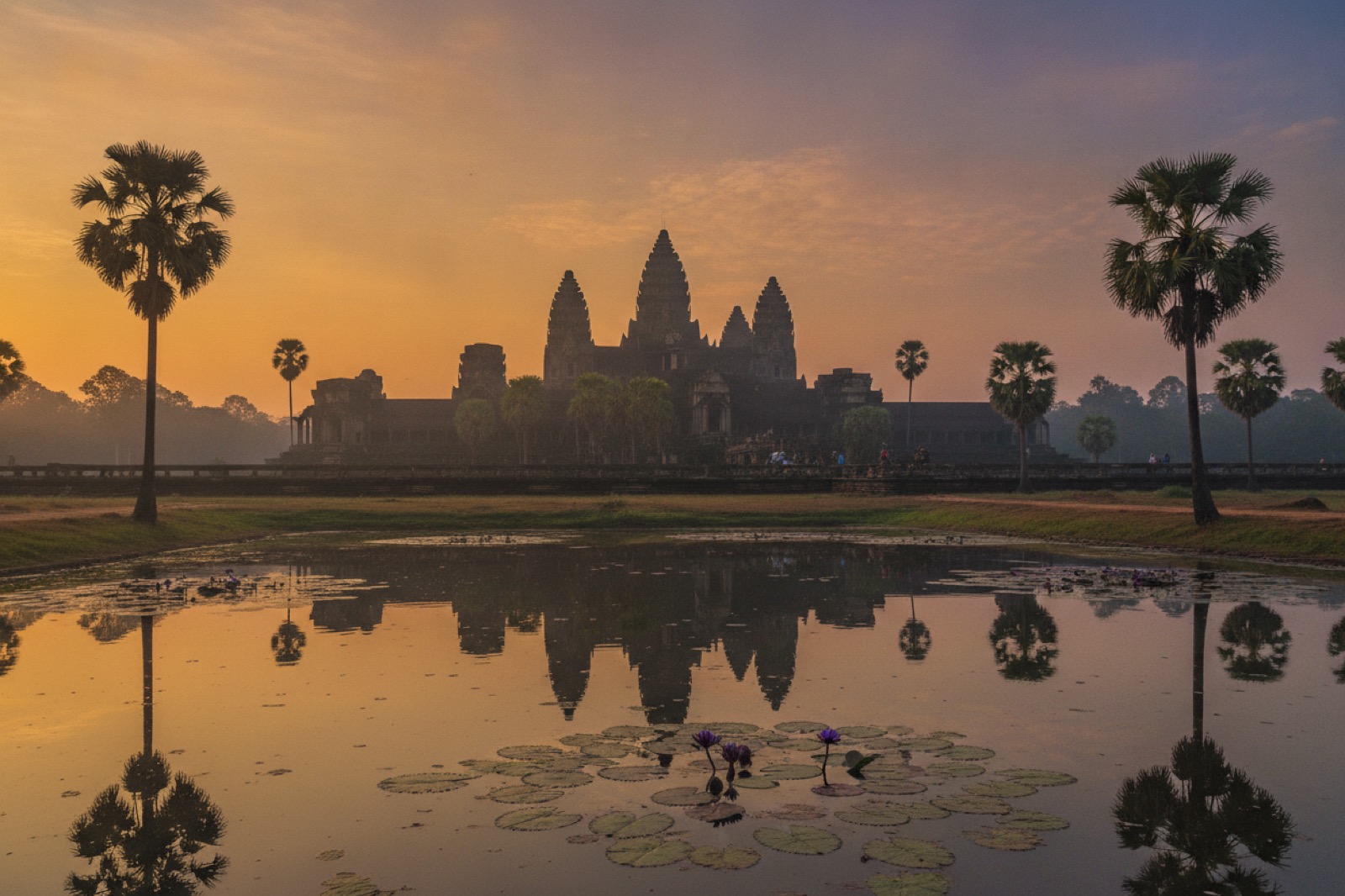
Siem Reap
Gateway to Angkor — sunrise over the world's largest temple complex, jungle-wrapped ruins, a buzzing little town and the great Tonlé Sap lake.
A sample 2-day Siem Reap route
The small circuit's headline temples on day one; the exquisite far temple of Banteay Srei, the museum and the town — with the Phare circus — on day two.
- Day 1Small circuit — Angkor Wat, Bayon & Ta ProhmAngkor · Old Market
- Day 2Banteay Srei, the museum & a circus nightAngkor · Town
This is one of several routes in the guide — change the length, budget and dates yourself in the workspace.
Where to eat in Siem Reap
Every name links to a Google Maps search.
Cambodia's national dish — freshwater fish in a fragrant coconut-and-kroeung curry mousse, steamed in a banana-leaf cup
Wok-tossed marinated beef over lettuce and rice with a Kampot-pepper-and-lime dipping sauce and a fried egg
A milder, fragrant coconut curry with chicken or beef, sweet potato and beans — eaten with bread or rice, especially at festivals
The classic 'Khmer noodles' breakfast — rice noodles under a green fish-and-lemongrass gravy, piled with raw vegetables and herbs
Cambodia's favourite breakfast — coconut-grilled pork sliced over broken rice with pickles and a clear broth
A clay-pot tabletop grill-and-broth (phnom pleung, 'hill of fire') where you cook meat, seafood and vegetables yourself — a fun group dinner
When to go to Siem Reap
Siem Reap is tropical and hot year-round. The cool-dry season (Nov–Feb) is peak and most comfortable; March–May is brutally hot; the wet season (Jun–Oct) brings lush greenery, dramatic skies and a full Tonlé Sap. Check a forecast close to your dates and start temple days at dawn.
Cool & dry (peak — the best weather) Nov, Dec, Jan, Feb
The most pleasant time, ~22–32°C, dry and clear, with cooler mornings ideal for sunrise and temple walking.
Start at dawn and visit the quieter temples (Preah Khan, Banteay Kdei) at busy times; the lake is still high and good.
Look out for: Peak tourist season, Bon Om Touk Water Festival (Nov), Angkor Wat International Half Marathon (Dec)
Hot & dry (the furnace) Mar, Apr, May
Very hot, ~28–38°C+, with April the hottest. The Tonlé Sap is at its lowest by late dry season.
Build the day around the heat: sunrise temples, a long pool-and-museum midday, sunset temples; the lake is low — manage expectations.
Look out for: Khmer New Year (Chaul Chnam Thmey, mid-Apr)
Wet & green (lush, dramatic, fewer crowds) Jun, Jul, Aug, Sep, Oct
Hot and humid, ~25–34°C, with short heavy afternoon downpours and spectacular skies; the countryside turns brilliant green.
Do outdoor temples in the morning before the rain builds; keep the museum, Artisans Angkor and cafés as afternoon-storm backups.
Look out for: Lush green moats and rice fields, Tonlé Sap at its highest (best lake trips), Pchum Ben ancestors' festival (Sep/Oct)
What Siem Reap costs
Per person, per day, excluding flights. A rough guide only — your costs depend on season, area and pace.
Budget
- Accommodation: Pool guesthouse or hostel near the Old Market (US$12–35).
- Meals: Markets and local kitchens — nom banh chok, lok lak, num pang, fruit shakes, night-market skewers (US$1–4/meal).
- Transport: A shared tuk-tuk for the small temple circuit; walk the town.
- Attractions: The temples (on the Angkor pass), the free Artisans Angkor workshop, market browsing, a Wat Thmey visit.
- Evening: Pub Street's $0.50 draught, the night markets, a Khmer street dinner.
Mid-range
- Accommodation: Boutique pool hotel on the riverside or Kandal Village (US$45–110).
- Meals: Sit-down Khmer — fish amok, Cambodian BBQ, grilled river fish — plus the café scene (US$5–15/meal).
- Transport: A private tuk-tuk for the day; a car for the far temples.
- Attractions: Add the Angkor National Museum, the Phare circus and a Tonlé Sap boat trip.
- Evening: The Phare circus, a riverside Khmer dinner, a cocktail bar off Pub Street.
Comfortable
- Accommodation: 5-star resort, heritage hotel or spa retreat (US$150–500+).
- Meals: A modern-Khmer tasting menu, a private chef's table, fine dining and great wine (US$30–90+/head).
- Transport: A private car with guide for the whole stay.
- Attractions: Add a private guided sunrise, a helicopter or balloon over Angkor, a spa day and a cooking class.
- Evening: A degustation dinner, a private apsara-dance performance, a rooftop cocktail.
Where to stay in Siem Reap
Siem Reap is small, so almost any central base works — and your money goes a very long way here: boutique hotels with pools sit at mid-range prices, and even luxury resorts are affordable. Stay walkable to the Old Market and Pub Street, or on a quieter riverside or Kandal Village street a short tuk-tuk away. Many hotels arrange your temple tuk-tuk and a free airport pickup.
Old Market / Pub Street
First-timers — walk to markets, restaurants and nightlife
Riverside / Wat Bo
Quieter, leafy boutique hotels minutes from the centre
Kandal Village / Sok San
Stylish design hotels and the café district
Charles de Gaulle (towards Angkor)
Resorts handy for early temple starts
By budget
- Budget — S$16–47 · Guesthouses & hostels, Pool guesthouses (great value)
- Mid-range — S$60–150 · Boutique pool hotels, 4-star hotels
- Comfortable — S$200–680+ · 5-star resorts & heritage hotels, Spa retreats
- A boutique hotel with a pool is astonishing value here — the perfect midday escape from the temple heat.
- Stay walkable to the Old Market for dinner; the temples are reached by tuk-tuk wherever you sleep.
- Ask your hotel to arrange the temple tuk-tuk and airport pickup — most do it cheaply and reliably.
Rates and availability change, and peak season (Nov–Feb) is dearer — confirm with the property or a booking site before paying.
Common Siem Reap mistakes to avoid
- Trying to 'do Angkor' in half a day — even the small circuit is a full, hot day; two or three days is far better.
- Underestimating the heat — start at dawn, rest through the midday furnace, and carry far more water than you think.
- Buying the wrong Angkor pass — 1-day, 3-day and 7-day passes exist; your photo is printed on it and it's checked at every temple.
- Wearing shorts/vests and being turned away from the upper terraces — cover shoulders and knees.
- Only seeing Angkor — the Tonlé Sap lake, the Phare circus and the town's café scene are highlights in their own right.
Good to know
Where to stay
Old Market / Pub Street, Riverside / Wat Bo, Kandal Village / Sok San, Charles de Gaulle (towards Angkor).
How long to go
2–3 days suits most visitors. Shorter and longer routes are built in, so you are never padding a trip to fill days.
Siem Reap travel guides
In-depth, free reads with real routes, Maps links, budgets and the mistakes to skip:
- Angkor in 3 Days: A Siem Reap Itinerary
The small circuit at sunrise, the grand circuit and the pink temple of Banteay Srei, then the Tonlé Sap lake and the town — a practical three-day Siem Reap plan with Maps links, the right Angkor pass, budgets and the mistakes to avoid.
Plan a nearby trip
Easy to pair with Siem Reap on the same trip — tap through to a full guide.
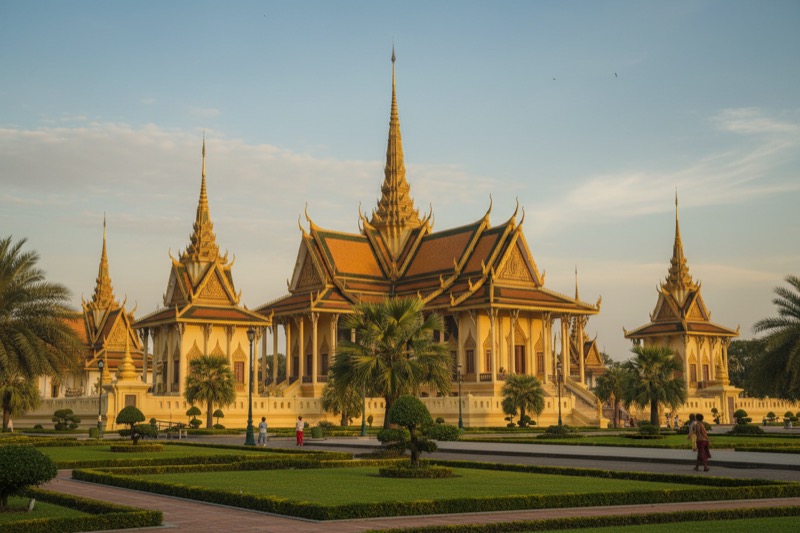
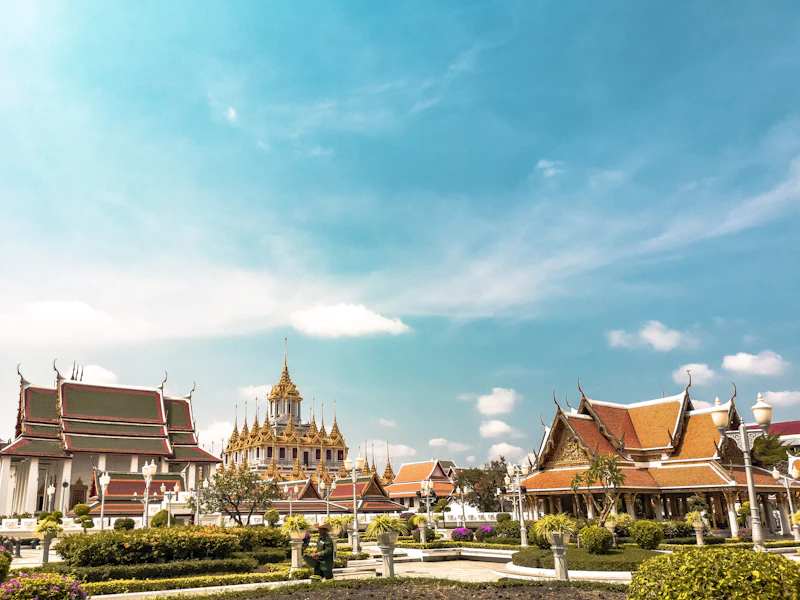
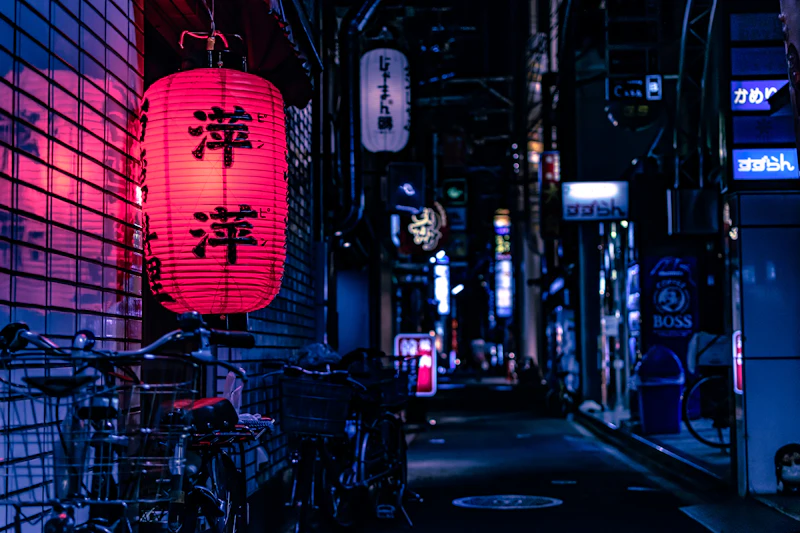
Plan Siem Reap your way
Start free, or unlock the full interactive guide with maps, food, day-by-day routes and a 1-click PDF.