
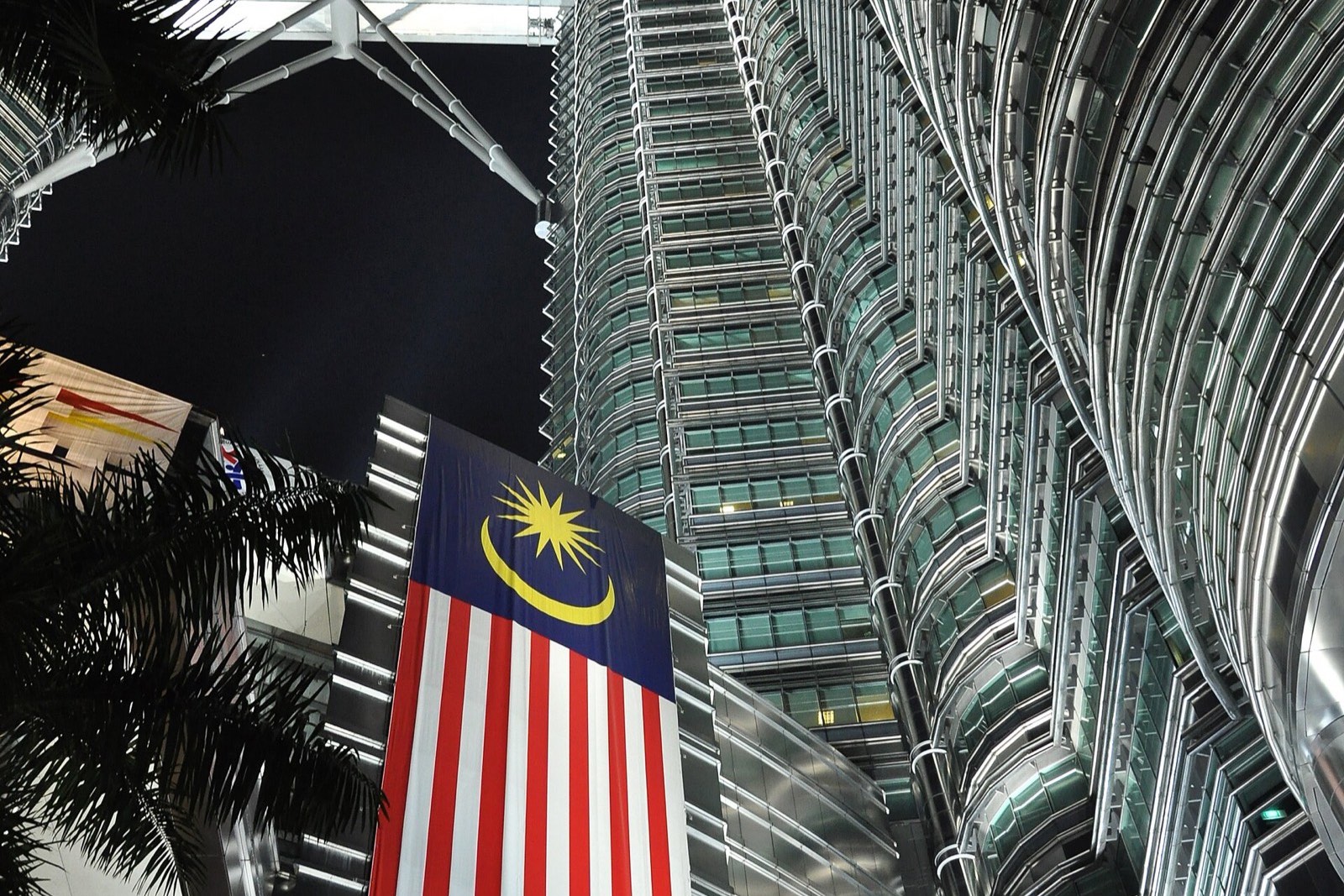
Kuala Lumpur in 3 Days: A Complete Itinerary
The Petronas Towers and the city views, the temples and colonial core, the Batu Caves and the markets, and KL's superb mixed street food — a practical three-day Kuala Lumpur plan with Maps links, budgets and where to stay.
Kuala Lumpur is one of Asia's great-value city breaks — gleaming towers and old colonial streets, Chinese, Malay and Indian quarters that each come with their own food, the Batu Caves on the edge of town, and air-conditioned malls for when the afternoon heat wins. Three days is plenty to see the icons and eat extremely well.
This three-day plan groups the city by district, uses the trains and the free GoKL buses to skip the traffic, and times the towers and viewpoints for the best light. Malaysia's mixed food culture means MICHELIN and Bib Gourmand mentions sit beside hawker stalls — flagged with the year and a verify-current note — and every stop links to Google Maps.
At a glance
Your day-by-day Kuala Lumpur route
A 3-day Kuala Lumpur route
The towers and KLCC, the colonial core and the temples, the Batu Caves and the markets — grouped by district and moved between by train to dodge the traffic.
Icons, then heritage, then a Batu Caves morning paired with Chinatown and a KL Tower sunset.
Day 1Towers, skyline & street food
- Nasi lemakCitywide
- Suria KLCCKLCC
- KL Tower (Menara KL) & Sky DeckBukit Bintang
- KL Hokkien meeCitywide
- Bukit BintangBukit Bintang
- Jalan Alor Night Food StreetBukit Bintang
If it rains Malls and the KL Tower deck are indoors.
Add if you have time A skyline rooftop bar.
Day 2Merdeka, Chinatown heritage & the river
- Merdeka Square (Dataran Merdeka)Merdeka
- Sultan Abdul Samad BuildingMerdeka
- Masjid JamekMerdeka
- Yut Kee Restaurant Bib GourmandDang Wangi
- Central Market (Pasar Seni)Chinatown
- Kwai Chai Hong (Lorong Panggung)Chinatown
- Sek Yuen Bib GourmandPudu
- Petaling Street (Chinatown)Chinatown
- River of Life (Confluence)Merdeka
If it rains Lead with the air-conditioned Central Market; the mosque and laneways shelter quickly.
Add if you have time A heritage kopitiam coffee.
Day 3Batu Caves & a Chinatown afternoon
- Batu CavesDay trip
- Roti canai (mamak)Citywide
- Sri Mahamariamman TempleChinatown
- Petaling Street (Chinatown)Chinatown
- Dim sumCitywide
- KL Tower (Menara KL) & Sky DeckBukit Bintang
If it rains The caves are sheltered up top; if storms hit, swap in the Islamic Arts Museum.
Add if you have time The Dark Cave guided tour at Batu (when open).
Route last checked 2026-06-14 — verify hours and bookings before you go.
Want this as an interactive guide you can reshape by length, budget and pace — with the maps, food and a one-tap PDF?
Get the Kuala Lumpur Destination Pass · S$9.90 Or build a free planWhere to stay in Kuala Lumpur
Base yourself in KLCC for the iconic towers and fine dining, or Bukit Bintang for shopping, nightlife and the Jalan Alor food street — the two are linked by an air-conditioned skywalk. Chinatown/Merdeka suits heritage lovers on a budget, while KL Sentral/Brickfields is the transit-and-airport-convenient choice.
KLCC
Icon views, malls and restaurants; first-timers
Bukit Bintang
Shopping, nightlife and street food; central and connected
Chinatown / Merdeka
Heritage and value boutique stays
KL Sentral / Brickfields
Transit convenience and easy airport access
By budget
- Budget — S$18–48 · Hostels, Capsule pods, Budget hotels
- Mid-range — S$60–150 · 4-star hotels, Serviced apartments with pools
- Comfortable — S$180–545 · 5-star towers with infinity pools and skyline views
- KL hotels are excellent value — a rooftop infinity pool with Petronas views is affordable here.
- Staying near a rail station (MRT/LRT/monorail) saves time and beats traffic.
- KLCC and Bukit Bintang are joined by a free covered skywalk — either is a great base.
Rates and availability change constantly — confirm with the hotel or a booking site before paying.
What to budget for Kuala Lumpur
Per person, per day, excluding flights. A rough guide only — your costs depend on season, area and pace.
Budget
- Accommodation: Hostel, capsule or budget hotel (RM 60–160).
- Meals: Hawker stalls, kopitiams and mamak — nasi lemak, roti canai, Bib Gourmand bowls (RM 6–20/meal).
- Transport: Rail with a Touch 'n Go card; the free GoKL bus.
- Attractions: Free icons — KLCC Park, mosques, Merdeka Square, Batu Caves, the lit bridges.
- Evening: Jalan Alor, the KLCC fountains, the River of Life lights.
Mid-range
- Accommodation: 4-star hotel or serviced apartment with a pool (RM 200–500).
- Meals: A mix of hawker food and Bib Gourmand sit-downs — Sek Yuen, banana leaf, claypot rice (RM 20–70/meal).
- Transport: Rail plus Grab for comfort.
- Attractions: Add the Petronas deck or KL Tower Sky Deck, the Bird Park, a Putrajaya cruise.
- Evening: A skyline rooftop drink or a Kampung Baru night-market dinner.
Comfortable
- Accommodation: 5-star tower with an infinity pool and skyline views (RM 600–1,800).
- Meals: Fine dining or a one/two-Michelin-star tasting menu (Dewakan, DC by Darren Chin) as a special night (RM 150–700+/head).
- Transport: Grab everywhere; a private car for day trips.
- Attractions: Add a private Putrajaya tour, a spa, a skybar evening.
- Evening: A starred dinner, then cocktails above the city.
When to visit Kuala Lumpur
KL is tropical and hot year-round with afternoon storms possible any month. Treat this as general guidance and check a forecast close to your dates.
Relatively drier Jan, Feb, Jun, Jul
Hot and humid, roughly 24–33°C, with somewhat less rain.
Sightsee outdoors in the morning; use malls, museums and the mosque/temple stops at midday.
Look out for: Clearer skyline photos, Comfortable evenings
Wetter (monsoon-influenced) Mar, Apr, May, Oct, Nov, Dec
Hot and humid, 23–33°C, with frequent afternoon and evening thunderstorms.
Front-load outdoor sights in the morning; keep an indoor backup (Islamic Arts Museum, malls, Central Market) for the afternoon storm.
Look out for: Dramatic storm skies, Lush green parks
Possible haze window Aug, Sep
Hot and humid, 24–33°C; in some years regional haze reduces air quality and skyline visibility.
If haze is bad, favour indoor museums, malls and galleries; check the API (air-pollutant index).
Look out for: National Day festivities
Common Kuala Lumpur mistakes to avoid
- Trying to walk everywhere — the heat and highways make rail + Grab far smarter.
- Visiting Batu Caves or mosques in shorts — bring covering layers.
- Only eating in malls — the best, cheapest food is at hawker centres and old kopitiams.
- Underestimating afternoon thunderstorms — keep an indoor backup most days.
- Missing the KLCC fountain show or the lit Saloma Link / River of Life at night.
Good to know in Kuala Lumpur
Getting around
- Rail (LRT/MRT/monorail) is fast and beats traffic for longer hops — use a Touch 'n Go card.
- Grab is cheap and the easiest way door-to-door, especially in the heat or rain.
- KLCC and Bukit Bintang are linked by a free air-conditioned skywalk.
- The free GoKL city bus loops cover the central tourist zones.
- Batu Caves is ~30 min on the KTM Komuter from KL Sentral; Putrajaya via KLIA Transit or Grab.
Buy a Touch 'n Go card (or use the eWallet) for the LRT, MRT, monorail and KTM. For door-to-door comfort in the heat, Grab is cheap and easy — often the simplest option for visitors.
Money & connectivity
- Cards and e-wallets (Touch 'n Go eWallet, GrabPay) are widely accepted; carry cash (RM) for hawker stalls, markets and small shops.
- Cheap tourist SIMs/eSIMs (Maxis, Celcom, Digi) at the airport; strong 4G/5G. Free Wi-Fi in malls and most cafés.
- Not expected — many restaurants add a 10% service charge plus 6–8% tax. Rounding up is appreciated.
Local etiquette
- KL is multicultural (Malay, Chinese, Indian) — dress modestly at mosques and temples, and cover shoulders and knees (robes are lent at mosques).
- Friday midday is the main Muslim prayer time; some Malay-run businesses pause.
- Remove shoes when entering temples and homes.
- Halal food is the norm; alcohol is available but pricier than in neighbouring countries.
Police / ambulance / fire: 999 (or 112 from a mobile) · Tourist Police: 03-2149 6590 · Keep your hotel name and address handy for Grab drivers.
Kuala Lumpur — frequently asked questions
How many days do you need in Kuala Lumpur?
3–4 days is the usual recommendation for Kuala Lumpur. The plan here runs to 3 days, and the full guide builds routes from 1–7 days — so you can shorten or extend it to fit your trip.
What food should I eat in Kuala Lumpur?
Kuala Lumpur's highlights include Nasi lemak, Roti canai (mamak), Char kuey teow & wok noodles, KL Hokkien mee, Sek Yuen and more. Each is linked to Google Maps in the route above; famous spots queue at peak times, so go off-peak or pick a neighbouring stall.
Where should I stay in Kuala Lumpur?
Good bases include KLCC (Icon views, malls and restaurants; first-timers); Bukit Bintang (Shopping, nightlife and street food; central and connected); Chinatown / Merdeka (Heritage and value boutique stays). See "Where to stay" above for the full breakdown by budget.
How much does Kuala Lumpur cost per day?
Roughly around S$35–65 a day on a budget, S$65–130 mid-range, S$130–300 comfortable per person, excluding flights and accommodation swings. See "Budget" above for what each tier covers.
When is the best time to visit Kuala Lumpur?
KL is tropical and hot year-round with afternoon storms possible any month. Treat this as general guidance and check a forecast close to your dates. See "When to go" above for the month-by-month detail.
Do I need a visa for Malaysia?
Many nationalities enter Malaysia visa-free for up to 90 days, but rules vary by passport and most arrivals must complete the Malaysia Digital Arrival Card (MDAC) online before arriving. Confirm your own requirements on the official Malaysian Immigration / MDAC website before booking.
Plan Kuala Lumpur your way
Start free, or get the complete interactive guide — maps, food, day-by-day routes you can reshape, and a one-tap PDF.